en
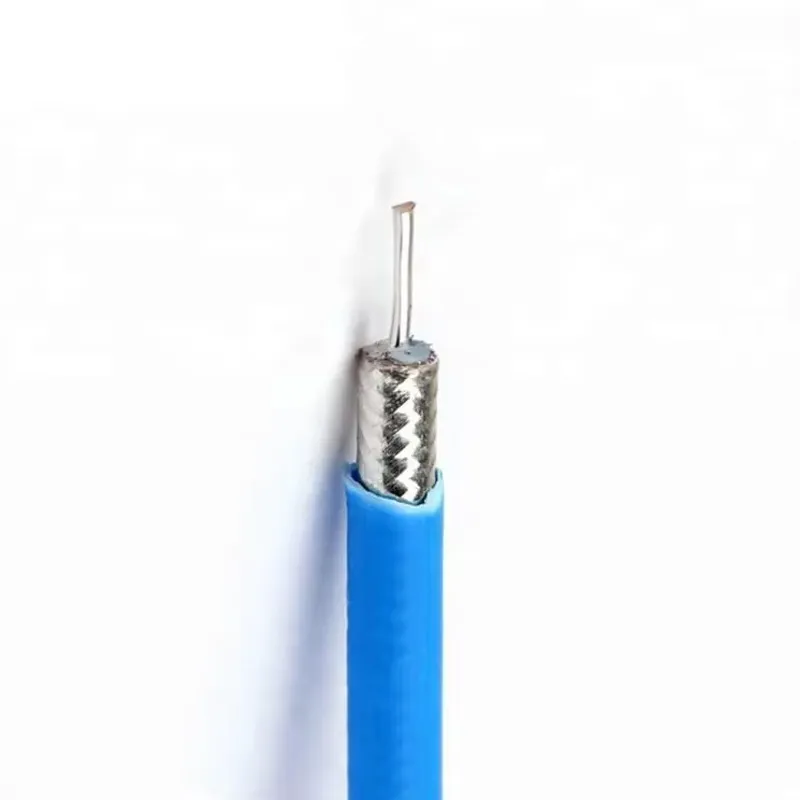
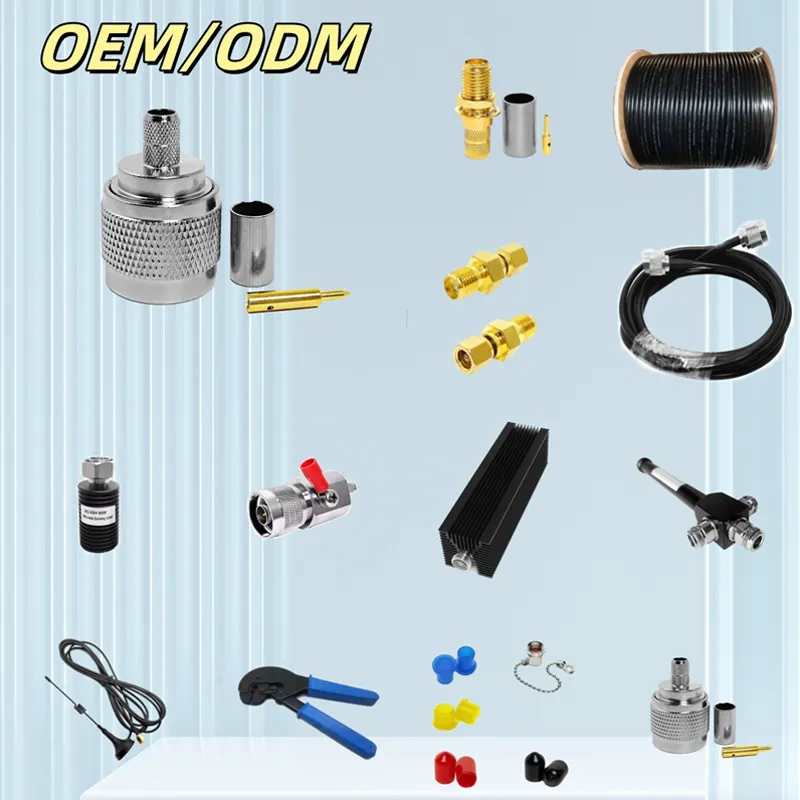
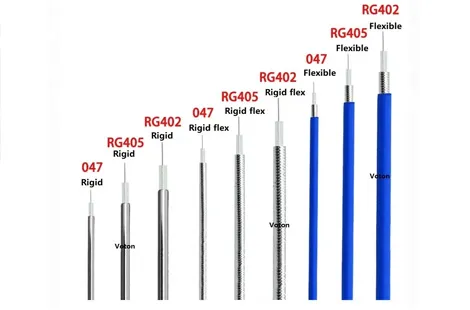
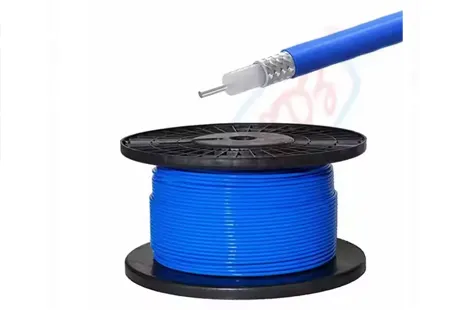
When choosing a suitable flexible coaxial cable, several key factors need to be considered. Firstly, the frequency range of the cable should be ensured to meet the specific application requirements. Next is the flexibility of the cable. For applications that require frequent bending or movement, models with better flexibility should be selected. Shielding performance is also an important consideration, especially in environments with strong electromagnetic interference. Good shielding can effectively protect signal quality.
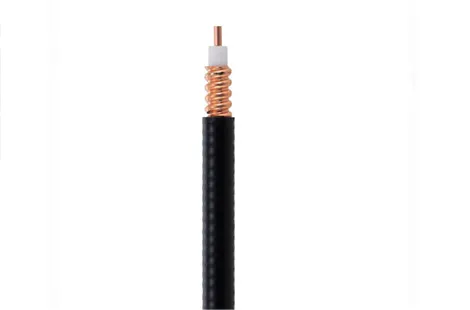
| Structure parameters | ||
| Item | Material | Diamenter (mm) |
| Inner Conductor | Copper clad steel | 0.52 |
| Dielectric | PE | 1.65 |
| Outer Conductor | Tin plated copper wire weaving | 2.2 |
| Jacket | PVC | 2.65 |
| Performance parameters | ||
| Capacitor | 95pF/m | |
| Impedance | 50ohm | |
| Transmission rate | 70% | |
| Cut-off frequency | 61GHz | |
| Delayed | 4.7ns/m | |
| Working temperature range | -65~+200℃ | |
| Bending radius | 40mm | |
| ROHS/CE/FCC | YES | |
| Frequency | 0.01GHz | 6.3dB/100m |
| 0.05GHz | 14.2dB/100m | |
| 0.10GHz | 20.3dB/100m | |
Flexible coaxial cables play an important role in modern electronics and communication fields due to their superior performance and wide application scenarios. Understanding their basic structure, working principles, and application areas can better understand the value behind this technology. When selecting and using flexible coaxial cables, paying attention to their characteristics and maintenance requirements will help improve the overall performance and reliability of the equipment.
 English