en
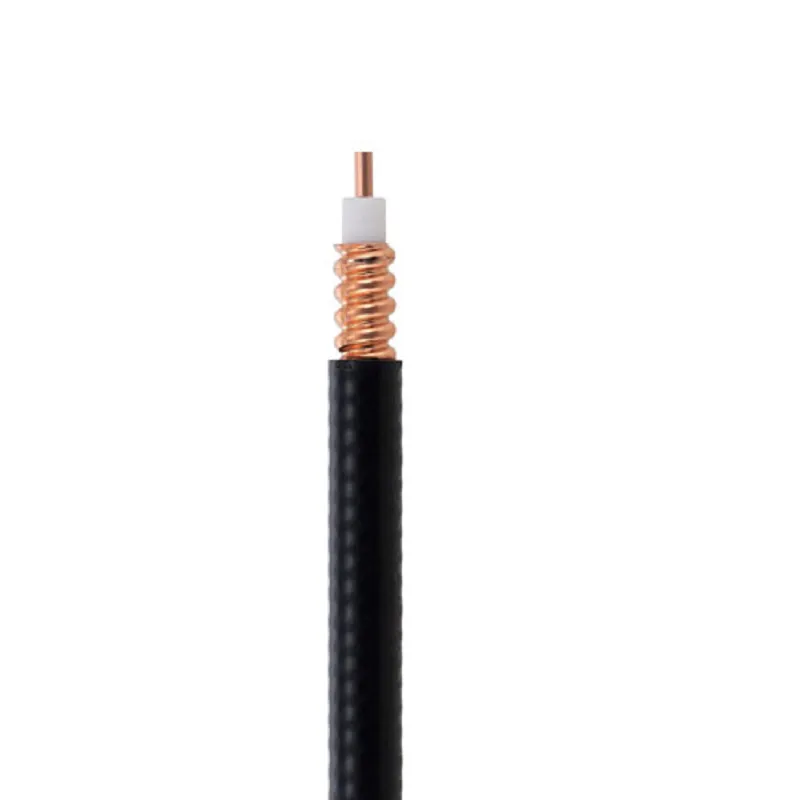
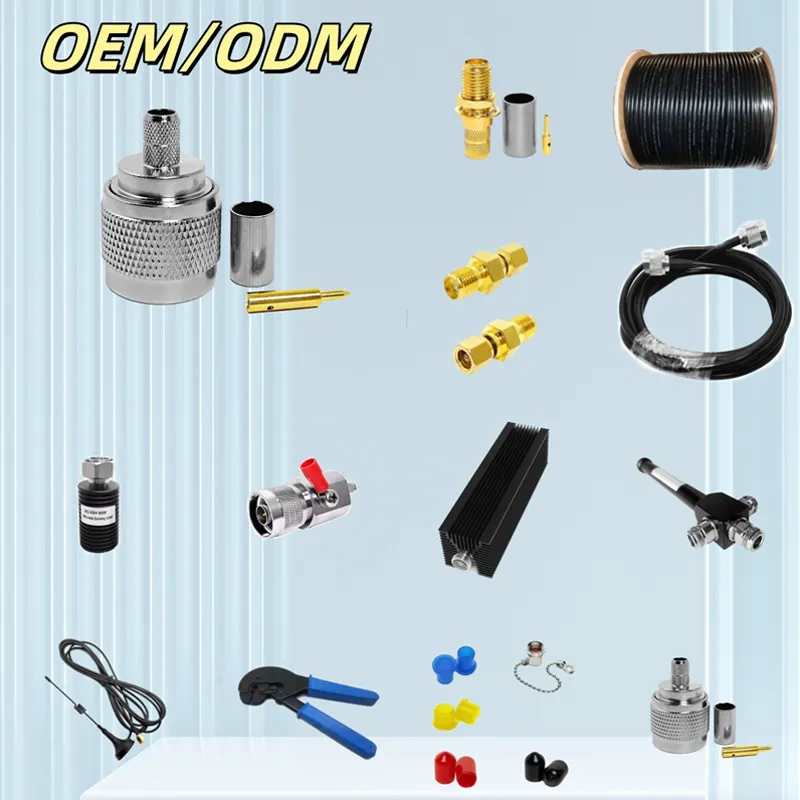
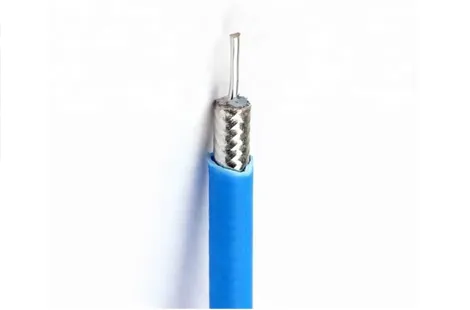
The basic structure of BJDZ flexible coaxial cable consists of an inner conductor, insulation layer, outer conductor, and outer sheath. The inner conductor is usually made of copper or aluminum and is responsible for transmitting signals; The insulation layer is used to isolate the inner and outer conductors and prevent signal interference; The outer conductor is usually made of copper mesh or aluminum foil, which serves as a shield to reduce external electromagnetic interference; The outer sheath is used to protect the cable from mechanical damage and environmental influences.
| Structure parameters | ||
| Item | Material | Diamenter (mm) |
| Inner Conductor | Copper clad steel | 1.91 |
| Dielectric | PE | 4.50 |
| Outer Conductor | Tin plated copper wire weaving | 0 |
| Jacket | PVC | 7.7 |
| Performance parameters | ||
| Capacitor | 78.74pF/m | |
| Impedance | 50ohm | |
| Transmission rate | 83% | |
| Cut-off frequency | 6GHz | |
| Working temperature range | -65~+85℃ | |
| Bending radius | 31.75mm | |
| ROHS/CE/FCC | YES | |
| Description | Frequency | Attenuation |
| 0.45GHz | 13.45dB/100m | |
| 1.5GHz | 25.59dB/100m | |
| 2GHz | 29.95dB/100m | |
When choosing a suitable flexible coaxial cable, several key factors need to be considered. Firstly, the frequency range of the cable should be ensured to meet the specific application requirements. Next is the flexibility of the cable. For applications that require frequent bending or movement, models with better flexibility should be selected. Shielding performance is also an important consideration, especially in environments with strong electromagnetic interference. Good shielding can effectively protect signal quality.
 English