en

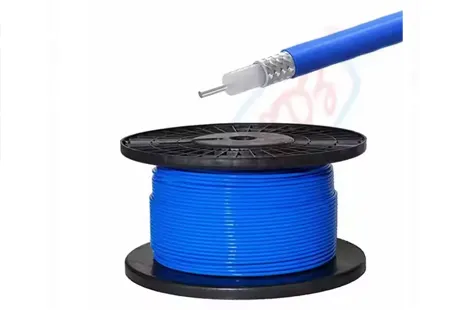
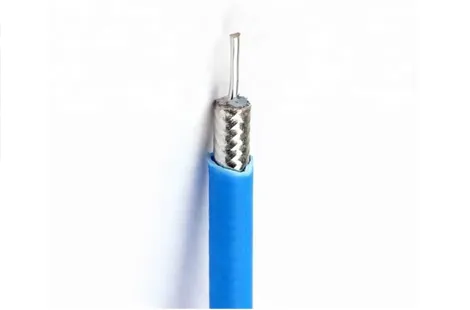
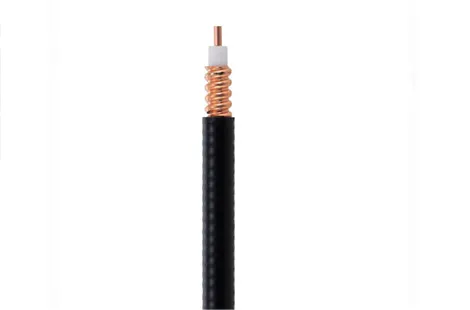
The basic structure of Flexible Test Cable consists of an inner conductor, insulation layer, outer conductor, and outer sheath. The inner conductor is usually made of copper or aluminum and is responsible for transmitting signals; The insulation layer is used to isolate the inner and outer conductors and prevent signal interference; The outer conductor is usually made of copper mesh or aluminum foil, which serves as a shield to reduce external electromagnetic interference; The outer sheath is used to protect the cable from mechanical damage and environmental influences.
The basic structure of Flexible Test Cable consists of an inner conductor, insulation layer, outer conductor, and outer sheath. The inner conductor is usually made of copper or aluminum and is responsible for transmitting signals; The insulation layer is used to isolate the inner and outer conductors and prevent signal interference; The outer conductor is usually made of copper mesh or aluminum foil, which serves as a shield to reduce external electromagnetic interference; The outer sheath is used to protect the cable from mechanical damage and environmental influences.
 English