en
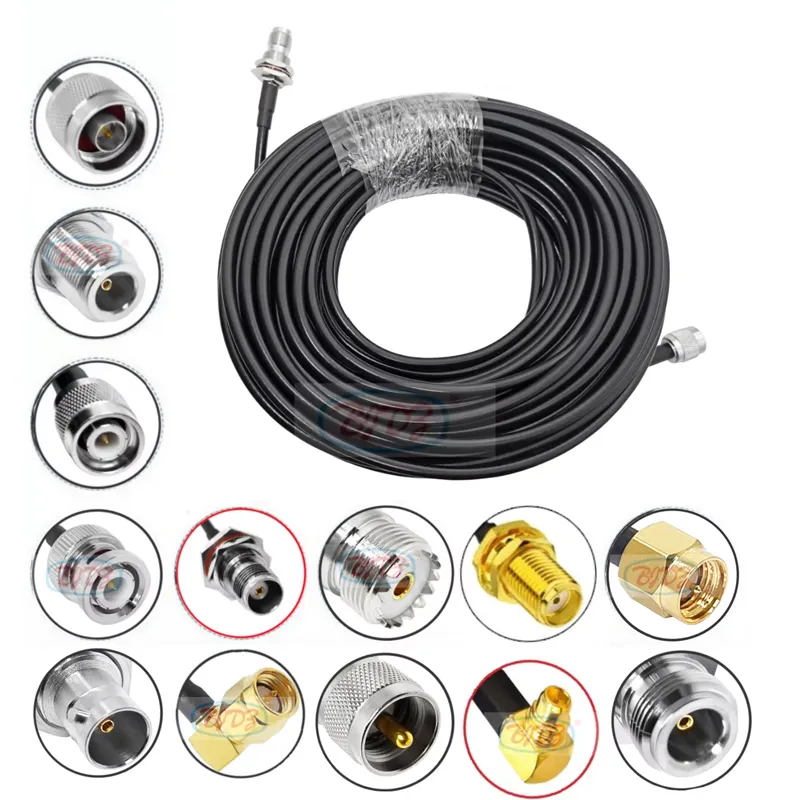
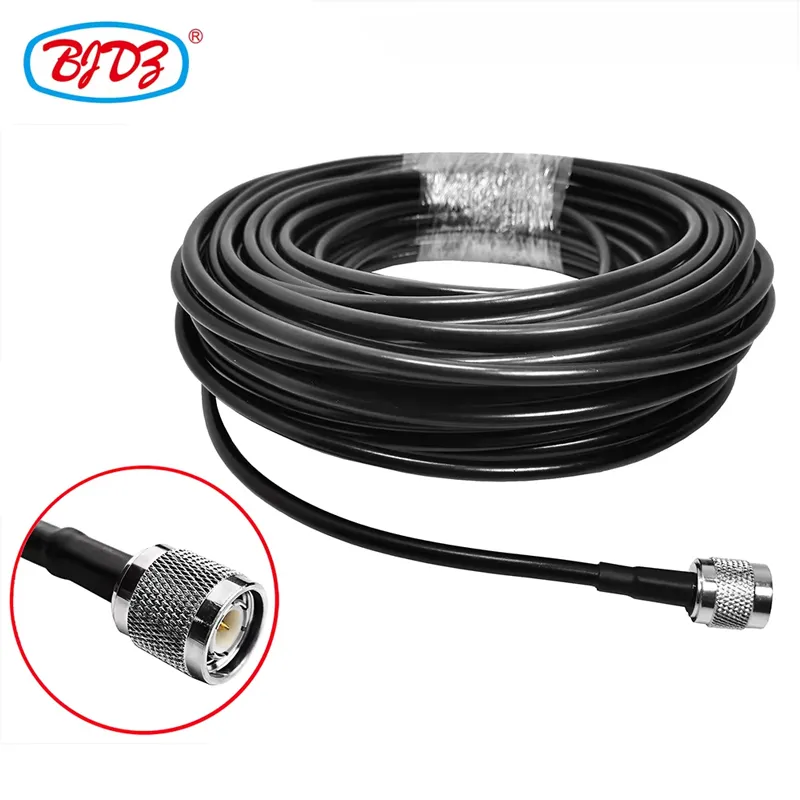
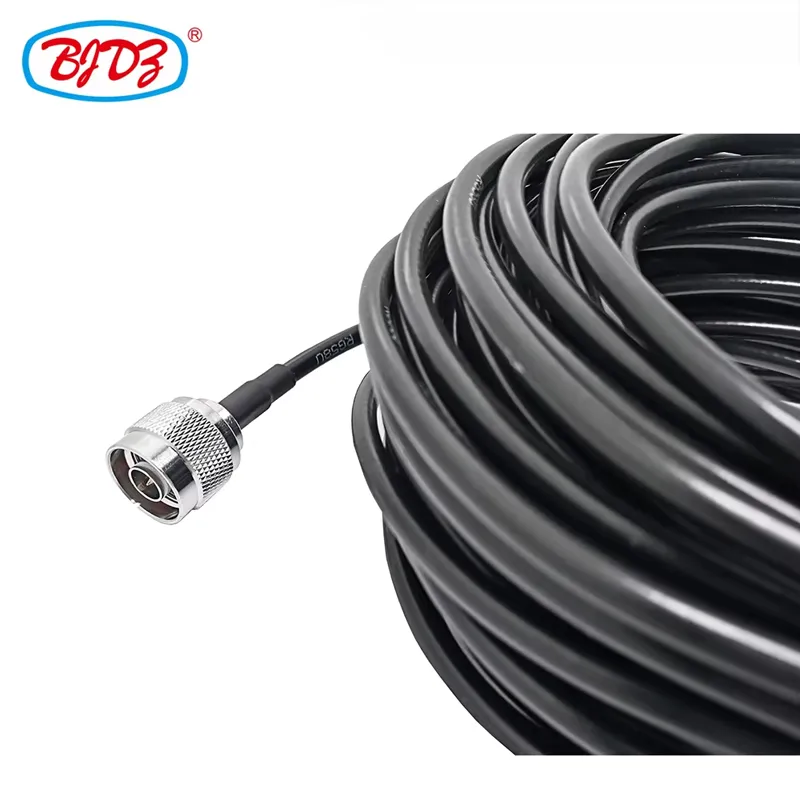
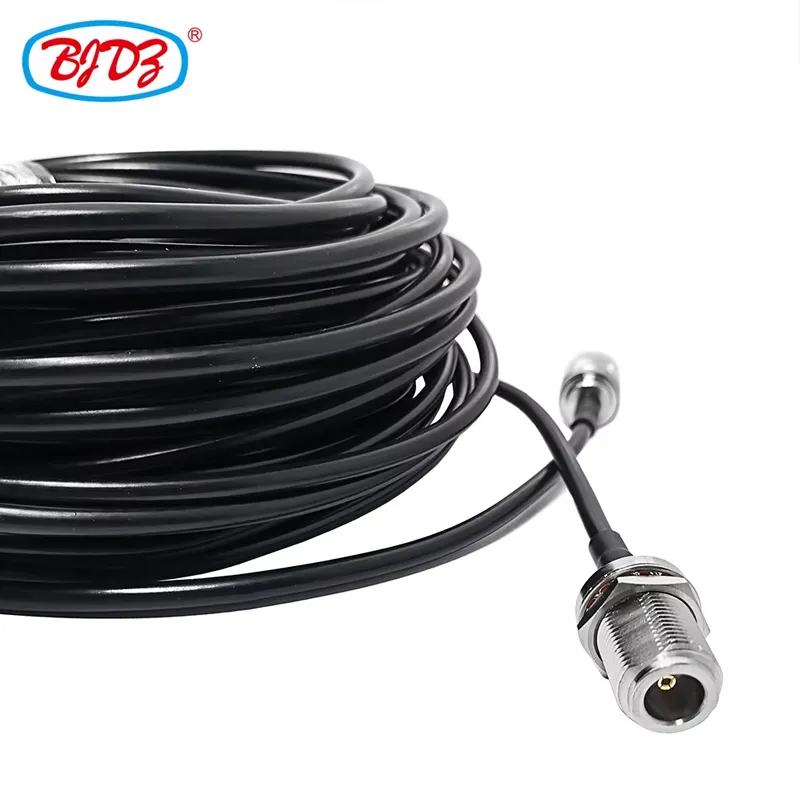
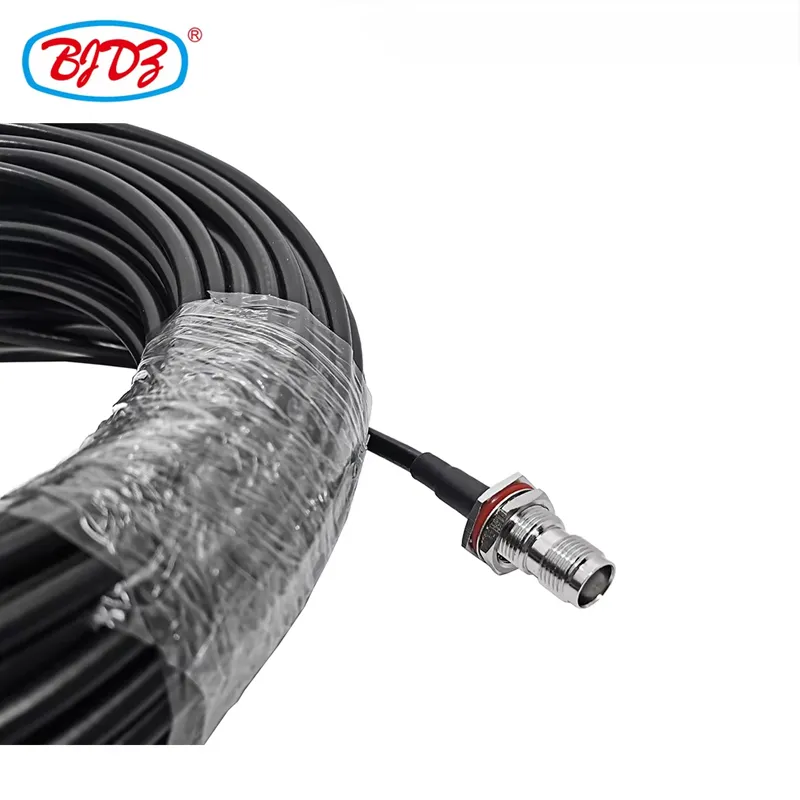
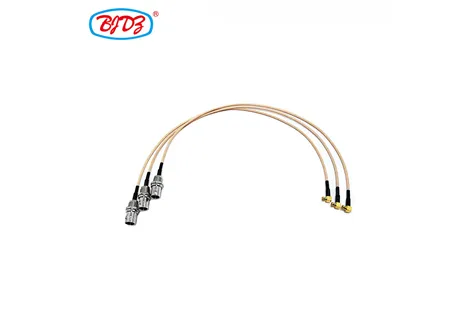
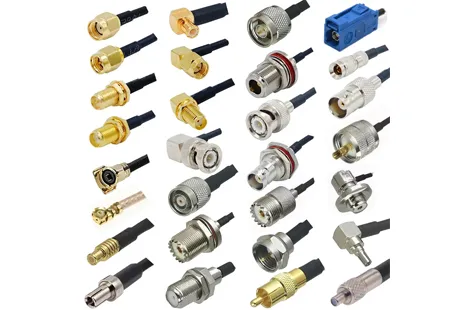
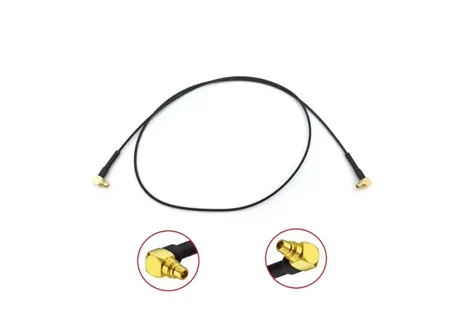
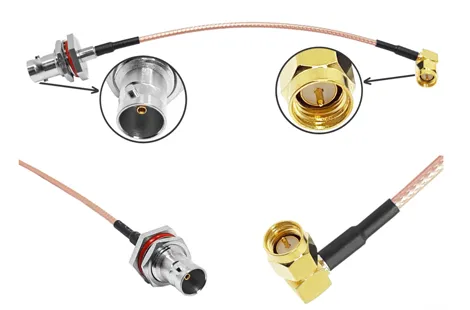
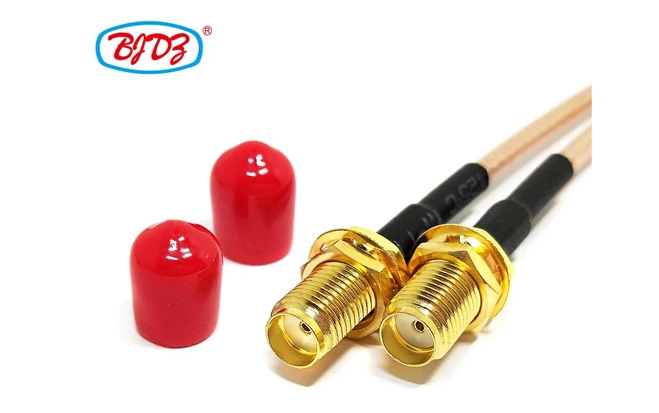
Engineered for space-constrained environments and high-density RF routing, this comprehensive line of 90-degree right-angle coaxial cable assemblies eliminates sharp bends and prevents cable fatigue. Manufactured directly in our facility, these pigtails are available in a wide variety of industry-standard connectors, including N, SMA, BNC, TNC, UHF, MCX, MMCX, and SMB.
Designed to pair with premium coaxial cables such as RG58, RG223, LMR195, LMR200, and LMR240, these right-angle jumpers ensure optimal signal integrity and reliable 50Ω impedance matching. Whether adapting internal PCB modules to external chassis panels or navigating tight enclosures, our factory-direct customization guarantees precise length, plating, and assembly specifications for your exact application.
Parameter | Specification |
Impedance | 50 Ohm (Standard RF) / 75 Ohm (Available for select video/BNC variants) |
Connector Options | N, SMA, BNC, TNC, UHF, MCX, MMCX, SMB (Straight to 90° Right Angle) |
Compatible Cables | RG58, RG223, LMR195, LMR200, LMR240 |
Cable Construction | RG58/RG223: Solid/Stranded Copper, Solid PE, 95% Braid LMR Series: Solid Copper, Foam PE, Dual Shield (Tape + Braid) |
Outer Diameter (OD) | Varies by cable: ~5.0mm (RG58) to ~10.3mm (LMR240) |
Right-Angle Design | Precision-machined 90° bend, ideal for high-density PCB and panel interconnects |
Frequency Range | Up to 6 GHz (SMA, MCX, MMCX, SMB); Up to 11 GHz (N, TNC); Up to 4 GHz (BNC, UHF) |
VSWR | ≤ 1.25:1 (DC to 3 GHz) |
Temperature Range | -40°C to +85°C (Standard PVC/PE); Up to +200°C (PTFE options available) |
Space-Saving 90° Right-Angle Geometry: The right-angle connector design reduces the vertical clearance required at the mating interface. This prevents the cable from bending sharply against chassis walls or adjacent components, significantly reducing mechanical stress on the connector and maintaining consistent impedance.
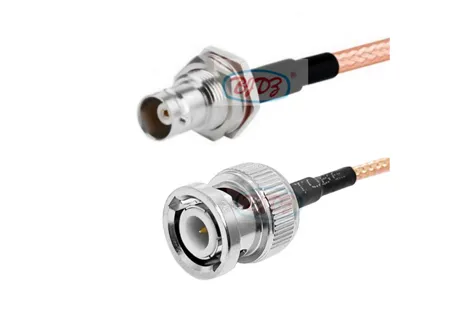
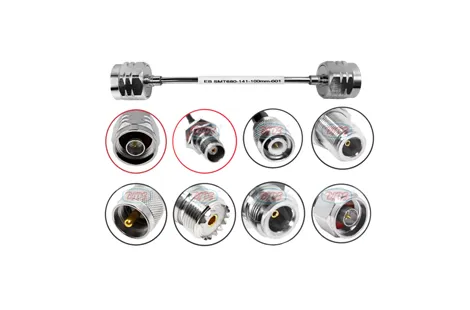
Extensive Connector & Cable Matrix: Our manufacturing platform supports cross-mating virtually any combination of the listed connectors. Popular right-angle configurations include SMA Male 90° to SMA Female, BNC Male 90° to BNC Male, and MCX/MMCX 90° pigtails for internal WiFi/GPS modules, all seamlessly transitioned to rugged LMR or RG series cables.
Premium Low-Loss & Flexible Cores: Clients can select the optimal cable core for their frequency and routing needs. RG58 and RG223 offer excellent flexibility for tight indoor routing, while LMR195, LMR200, and LMR240 provide ultra-low insertion loss and superior outdoor/weather resistance for antenna extensions and repeater links.
Factory-Direct Customization: As a direct manufacturer, we provide full OEM/ODM support. Customers can specify exact cable lengths, connector plating (Nickel, Gold, or Silver), jacket materials (PVC, PE, LSZH, or Teflon), and specialized strain relief molding to meet rigorous aerospace, telecom, or industrial standards.
Industry / Field | Specific Use Case |
Telecommunications & 5G | Routing LMR240 right-angle jumpers inside cellular repeaters, BDAs, and DAS enclosures. |
WiFi & IoT Modules | Adapting micro-connectors (MCX, MMCX, SMB) on internal PCBs to external SMA/BNC chassis ports. |
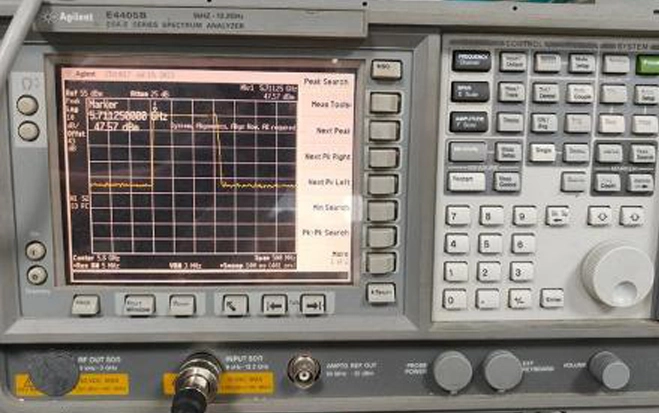
Test & Measurement | Benchtop patching where vertical space above spectrum analyzers or VNA ports is limited. |
Automotive & Aerospace | Navigating tight avionics bays and vehicle dashboards using flexible RG223 90° pigtails. |
Broadcast & AV | UHF and BNC right-angle interconnects for wireless microphone receivers and camera links. |
Precision Right-Angle Machining: The internal geometry of our 90° connectors is precisely engineered to minimize impedance discontinuities and reflections at the bend, ensuring VSWR remains within strict tolerances up to the connector's maximum rated frequency.
VNA Electrical Testing: Every pigtail assembly is swept on a calibrated Vector Network Analyzer to verify insertion loss, return loss, and VSWR, guaranteeing optimal signal transfer for critical RF paths.
Mechanical Pull & Flex Testing: The crimp or solder joints between the right-angle connector and the LMR/RG coaxial cable undergo rigorous tensile and cyclic flex testing to ensure long-term reliability in high-vibration environments.
Shield Continuity & Hi-Pot Testing: Each assembly is verified for 360-degree shield grounding and dielectric strength to prevent signal leakage and ensure safe operation under maximum power handling.
Standard Packaging: Individually coiled to maintain safe bend radius and sealed in anti-static PE bags.
Labeling: Clearly tagged with connector types, cable specification, length, and impedance.
Lead Time: Standard configurations ship within 48 hours. Custom right-angle assemblies typically require 3–7 business days.
MOQ: Flexible MOQs. Low quantities accepted for prototyping; volume discounts applied for wholesale production runs.
Q1: What are the advantages of using LMR195/LMR240 over RG58 for right-angle pigtails?
A: LMR series cables feature a foam PE dielectric and dual-layer shielding, resulting in significantly lower signal loss at higher frequencies compared to the solid PE dielectric of RG58. LMR240 is also highly UV-resistant, making it superior for outdoor right-angle antenna connections.
Q2: Can I mix different connector types on a single right-angle pigtail?
A: Yes. Our factory specializes in custom hybrid assemblies. You can request any combination, such as an N-Type Male 90° to SMA Female straight, or a BNC Male 90° to TNC Male, tailored to your specific equipment interface.
Q3: How do I specify the bend direction for the 90-degree connector?
A: When requesting a custom quote, please specify if you require a standard right-angle or if the orientation (e.g., left, right, up, down relative to the connector keyway) is critical for your PCB layout or chassis clearance.
Q4: Are MMCX and MCX 90-degree connectors interchangeable?
A: No. While they look similar, MCX uses a snap-on coupling mechanism and is slightly larger. MMCX is a micro-miniature connector. Always verify your PCB receptacle type before ordering right-angle pigtails.
Respect Minimum Bend Radius: Even with a 90° connector, avoid bending the coaxial cable immediately adjacent to the connector body. Maintain a minimum bend radius of at least 10x the cable's outer diameter (e.g., ~100mm for LMR240) to prevent dielectric crushing.
Proper Torque for Threaded Connectors: When mating N, SMA, or TNC right-angle connectors, use a calibrated torque wrench to the manufacturer's specified inch-pounds. Over-torquing can deform the right-angle body and ruin the 50Ω impedance match.
Strain Relief Routing: Secure the cable to the chassis or PCB using cable ties or clamps before the bend point. This ensures that any pulling force is absorbed by the chassis, not the delicate right-angle connector joint.
Environmental Sealing: If using LMR series right-angle pigtails outdoors, apply self-amalgamating tape over the mated connection to prevent moisture from wicking into the foam dielectric.
 English