en
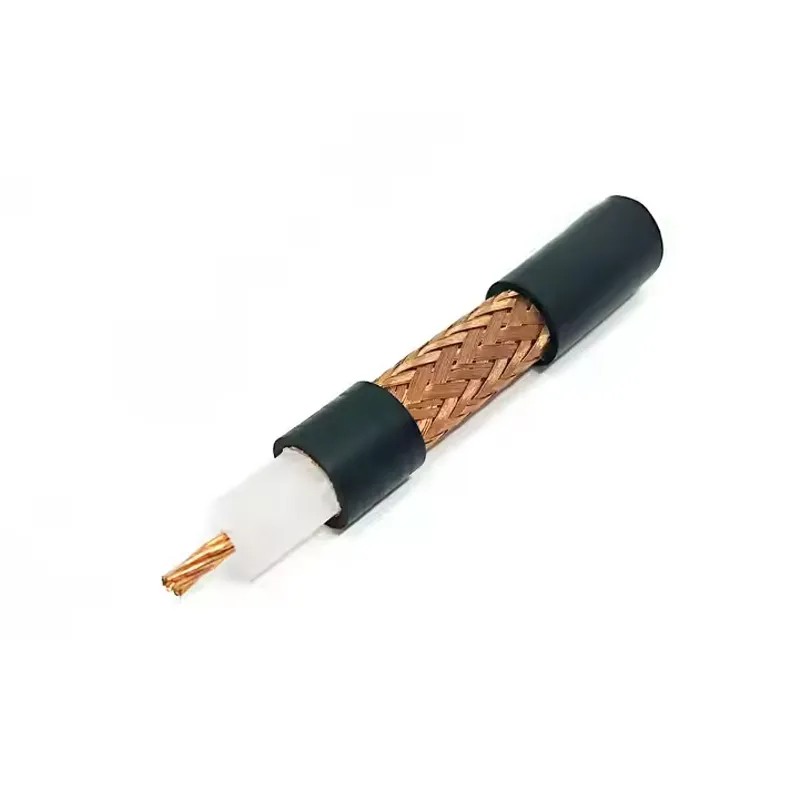
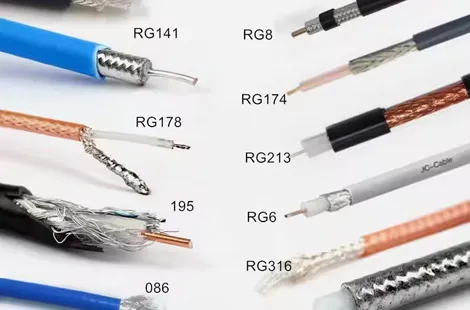
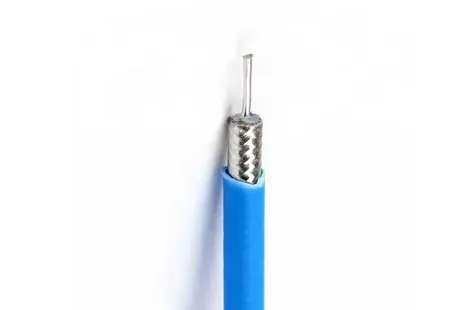
RG213 is a reliable and time tested 50 ohm coaxial cable. It performs well in applications that require good shielding and moderate power capacity in the medium to short distance, HF/VHF/UHF frequency bands, and is particularly popular in the field of amateur radio. Its excellent cost-effectiveness, durability, and ease of use are its main advantages. However, in long-distance transmission or applications with extremely high frequencies (>1 GHz), the attenuation is relatively large. In this case, lower loss cables (such as LMR-400 or feed tubes) should be considered.
| Structure parameters | ||
| Item | Material | Diamenter (mm) |
| Inner Conductor | copper wire | 7*0.752 |
| Dielectric | PE | 7.24 |
| Outer Conductor | Single layer bare copper wire weaving | Nom.7.85 |
| Jacket | PVC | 10.3 |
| Performance parameters | ||
| Capacitor | 101pF/m | |
| Impedance | 50ohm | |
| Transmission rate | 66% | |
| Maximum operating voltage | 3.7KVrms | |
| Maximum operating frequency | 100MHz | |
| Working temperature range | -25~+75℃ | |
| Bending radius | 40mm | |
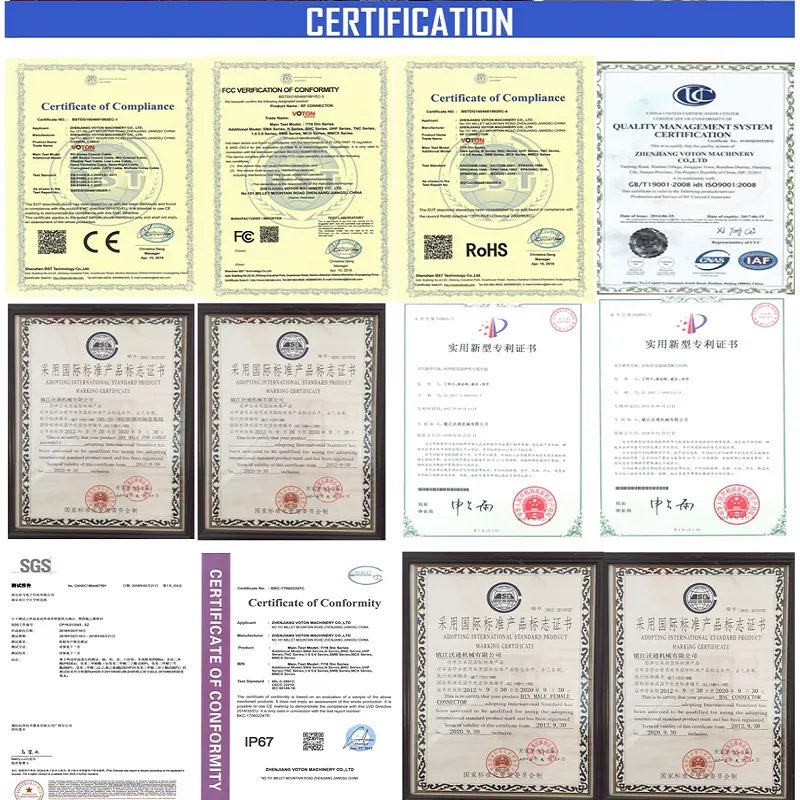
| ROHS/CE/FCC | YES | |
| Frequency | 100MHz | 0.066dB/m |
| 400MHz | 0.141dB/m | |
| 1000MHz | 0.240dB/m | |
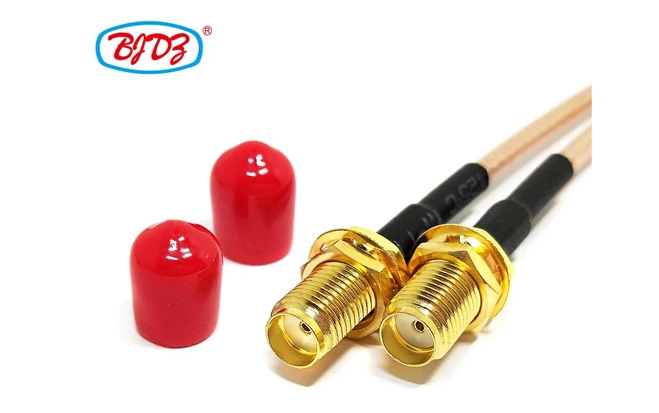
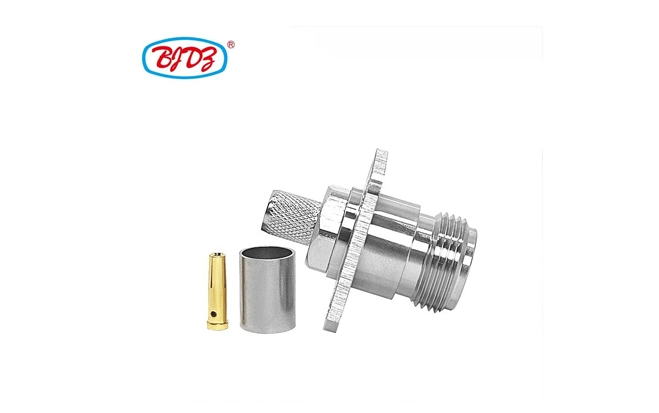
Suggestion for selection: When purchasing or using RG213, clarify your application requirements (frequency range, transmission distance, required power, installation environment, budget) and compare them with the characteristics of RG213 (especially attenuation curve) to see if they meet the requirements. At the same time, pay attention to selecting products with reliable quality and correct connectors (such as N-type connectors, which usually perform better than UHF/PL-259 connectors, especially at UHF and above frequencies), and follow standardized installation methods (avoiding excessive bending and ensuring the quality of connector manufacturing).
 English