en
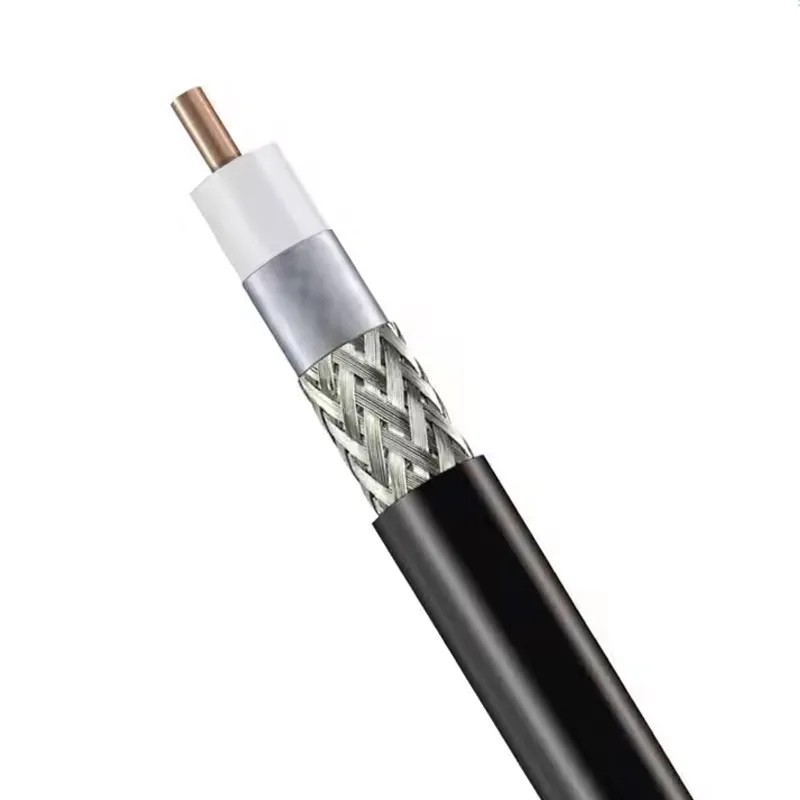
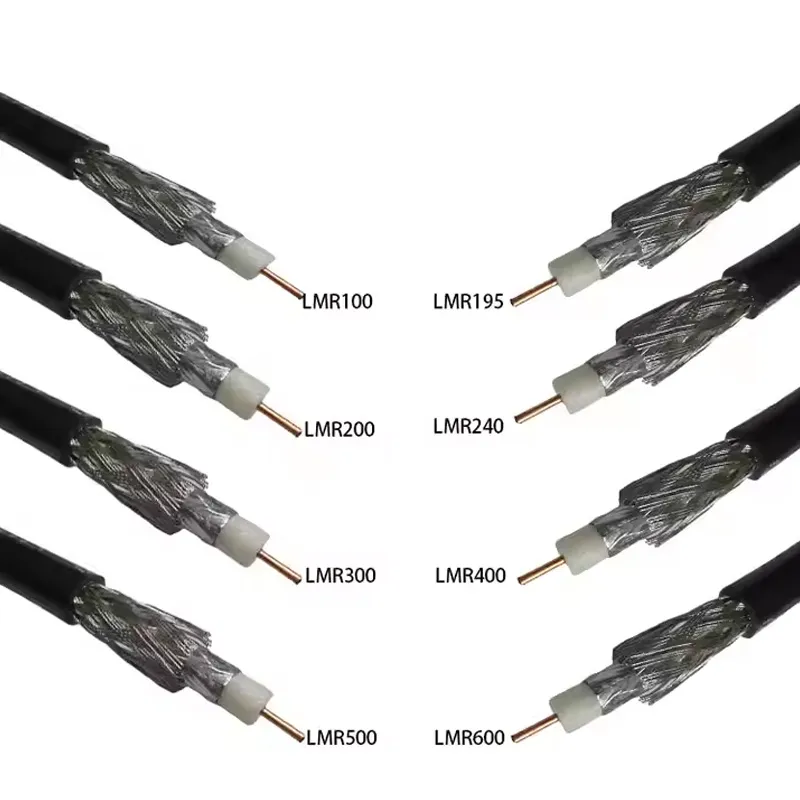
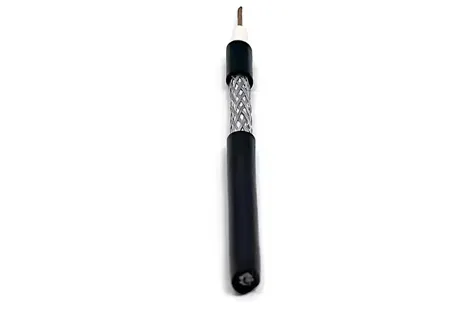
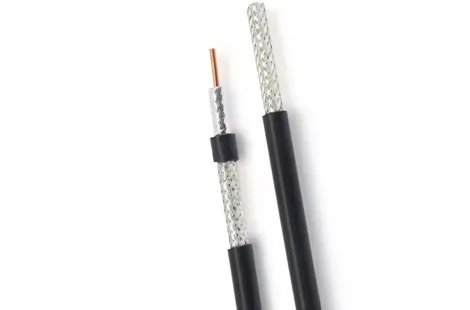
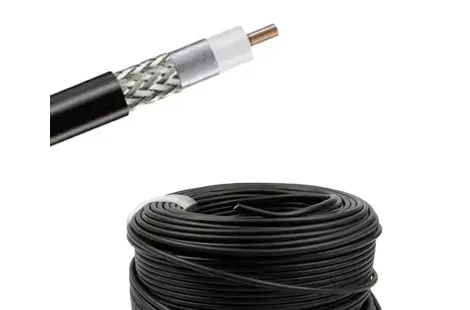
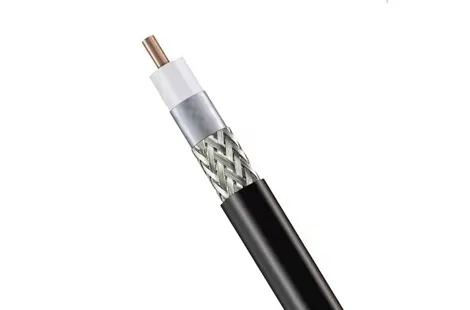
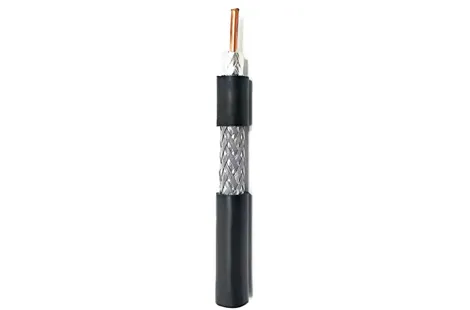
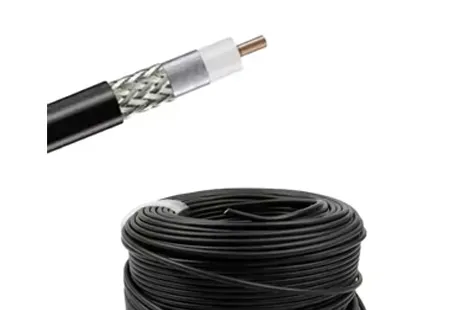
LMR 100 is a 50 ohm coaxial cable that is ultra-fine, ultra flexible, and high-performance. Its core advantage lies in the excellent anti-interference ability brought by the three-layer shielding and relatively low loss in thin diameter cables. It is an ideal upgrade replacement for RG174. The main application scenarios are short-range RF signal transmission with extremely limited space, requiring high flexibility and good shielding, such as unmanned aerial vehicles, robots, automotive electronics, and internal connections of portable devices. When using, it is important to pay attention to the significant increase in loss with frequency and length, and choose appropriate connectors and assembly methods.
| Structure parameters | ||
| Item | Material | Diamenter (mm) |
| Inner Conductor | Copper clad steel | 0.46 |
| Dielectric | PE | 1.52 |
| Outer Conductor | Tin plated copper wire weaving | 2.1 |
| Sheath | PE | 2.79 |
| Performance parameters | ||
| Capacitor | 101.1pF/m | |
| Impedance | 50ohm | |
| Transmission rate | 66% | |
| Internal conductor DC resistance | 10.8 ohm/m | |
| Outer conductor DC resistance | 31.2 OHM/m | |
| Maximum operating voltage | 2000Vrms | |
| Maximum operating frequency | 600MHz | |
| Working temperature range | -25~+70℃ | |
| Bending radius | 14mm | |
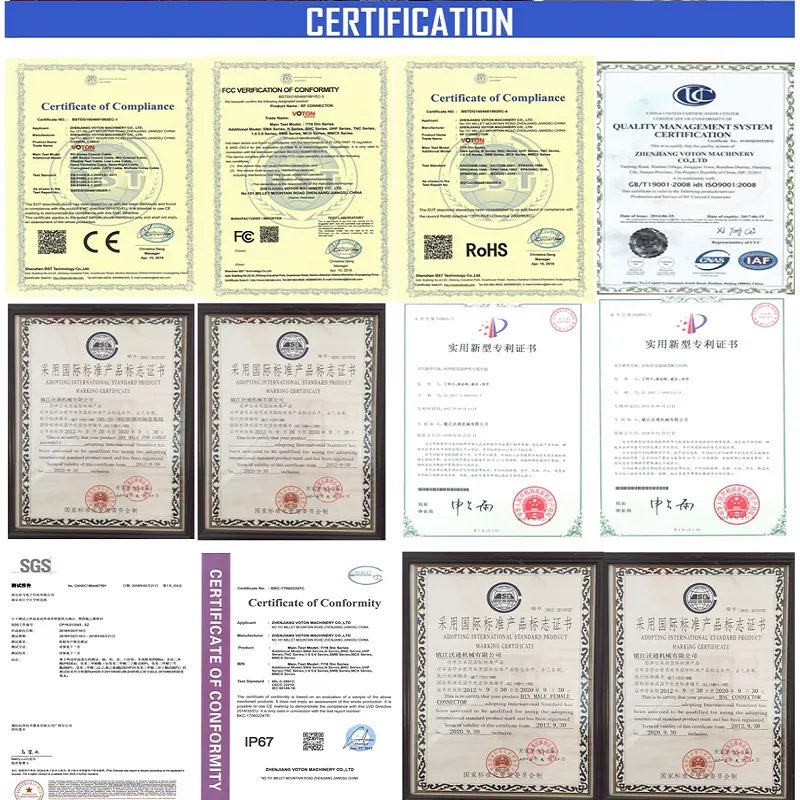
| ROHS/CE/FCC | YES | |
| Frequency | 30MHz | 12.9dB/m |
| 50MHz | 16.7dB/m | |
| 150MHz | 29.4dB/m | |
Precautions for using LMR100 coaxial cable:
Loss: Due to its small diameter, the loss is relatively high (especially at higher frequencies such as 2.4GHz and 5GHz), making it unsuitable for long-distance transmission. When using, carefully calculate the link budget to ensure sufficient signal strength.
Minimum bending radius: Although flexible, attention should still be paid to the minimum bending radius (usually several times the diameter of the cable), as excessive bending can damage the cable or increase losses.
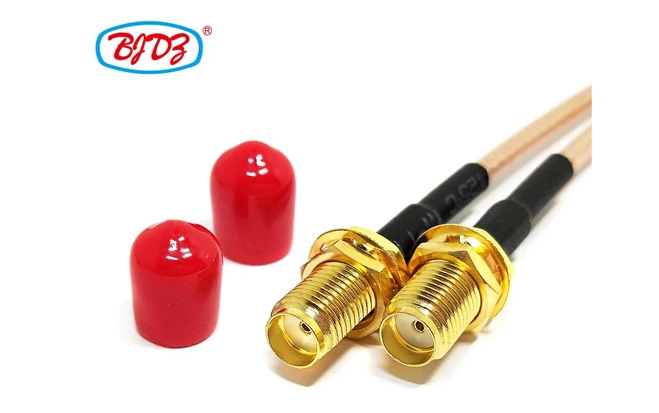
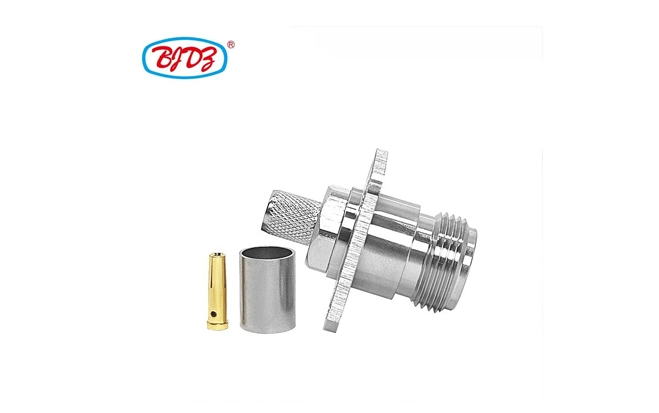
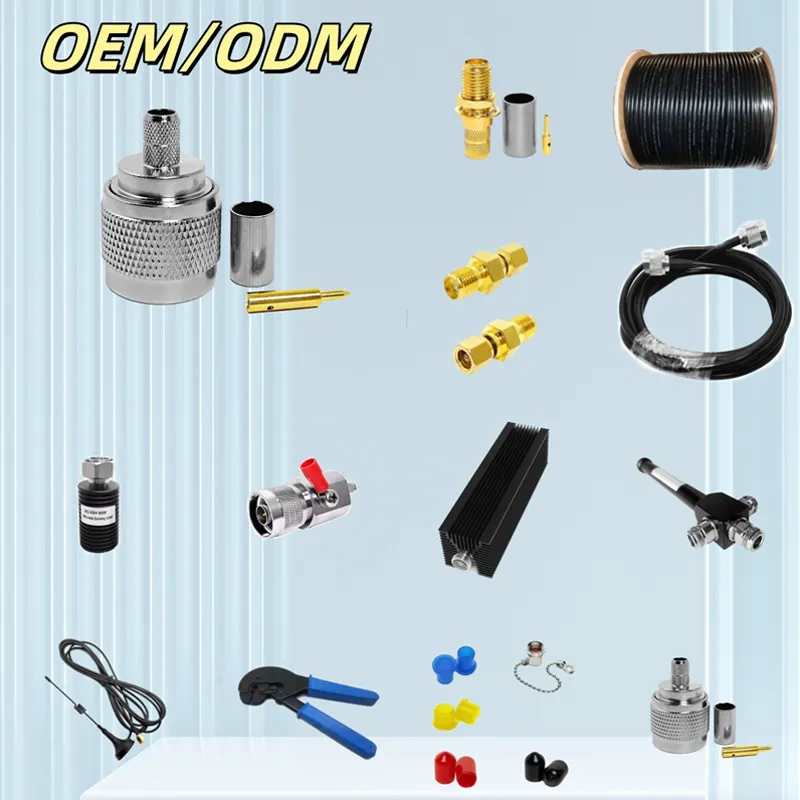
Connectors: It is necessary to use connectors suitable for thin cables, commonly including SMA connectors (which require crimping or welding SMA connectors specifically for thin cables), micro coaxial connectors such as U.FL/IPX/IPEX (commonly used for WiFi modules and GPS modules), MMCX connectors, and RP-SMA connectors (commonly used for WiFi antennas). Choosing the correct connector and professional crimping/soldering tools and techniques is crucial, otherwise it will affect signal quality and reliability.
Power capacity: Limited power processing capability, not suitable for high-power transmission applications.
 English