en
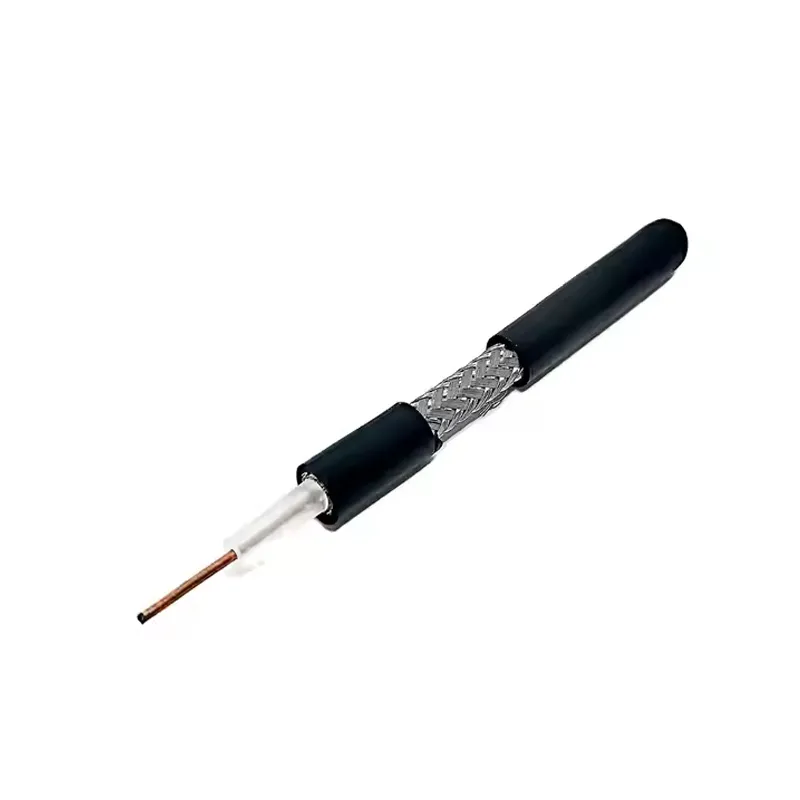
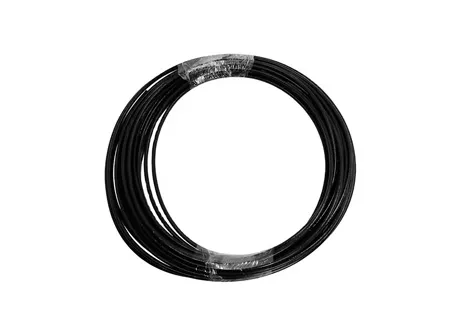
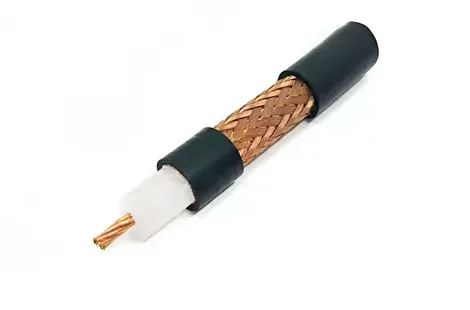
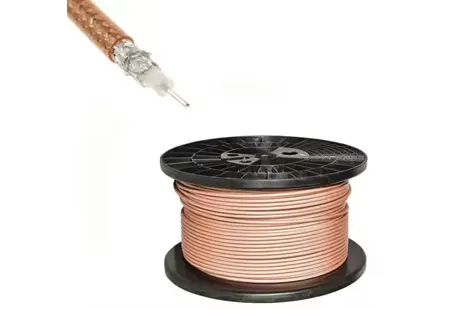
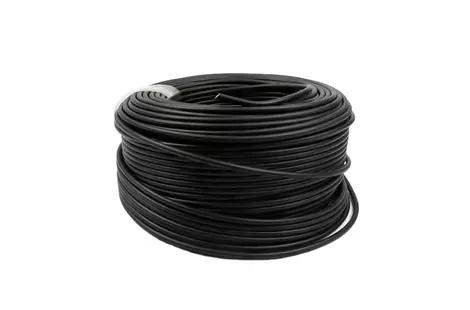
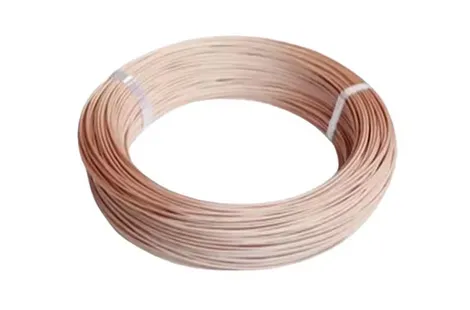
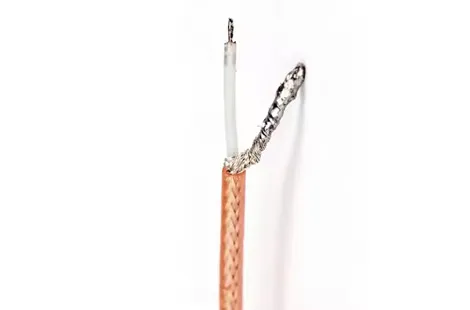
RG223 is a classic 50 ohm, double shielded, solid polyethylene insulated coaxial cable. It excels in shielding effectiveness, power capacity, and durability, making it particularly suitable for medium to short distance RF applications that are sensitive to electromagnetic interference and require reliable connections. However, its larger size, poor flexibility, and relatively high losses in the high-frequency range are also factors that need to be considered. When choosing, it is necessary to weigh its advantages and disadvantages based on specific application requirements (frequency, power, distance, environment, flexibility requirements).
| Structure parameters | ||
| Item | Material | Diamenter (mm) |
| Inner Conductor | Silver plated copper wire | 7*0.9 |
| Dielectric | PE | 2.95 |
| Outer Conductor | Silver plated copper wire weaving | 3.95 |
| Jacket | PVC | 5.3 |
| Performance parameters | ||
| Capacitor | 101pF/m | |
| Impedance | 50ohm | |
| Transmission rate | 66% | |
| Maximum operating voltage | 1.4KVrms | |
| Maximum operating frequency | 12400MHz | |
| Working temperature range | -25~+70℃ | |
| Bending radius | 25mm | |
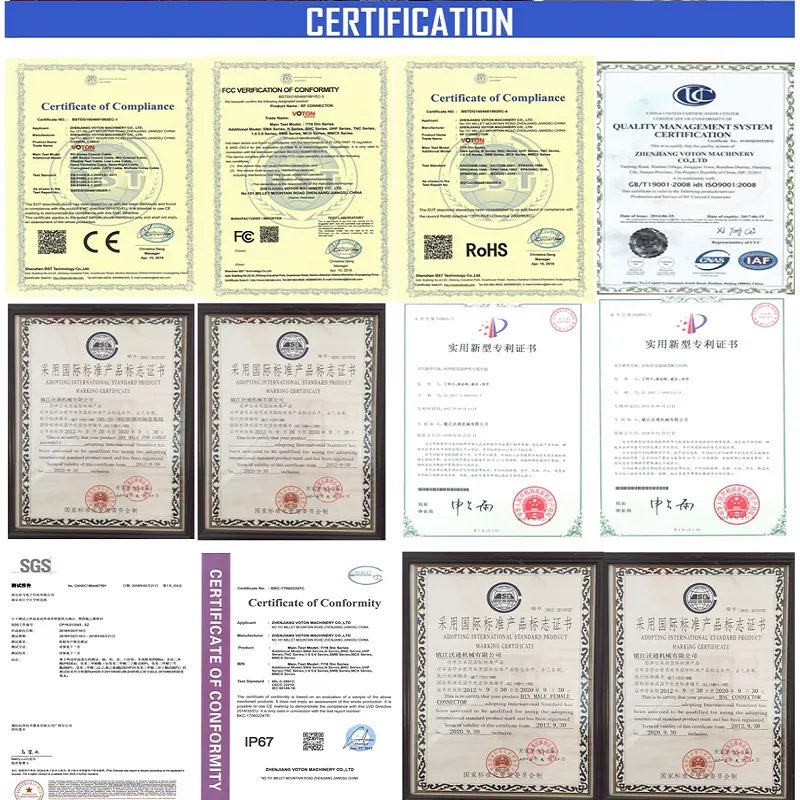
| ROHS/CE/FCC | YES | |
| Frequency | 100MHz | 0.131dB/m |
| 400MHz | 0.269dB/m | |
| 1000MHz | 0.440dB/m | |
RG223 coaxial cable selection method
Evaluate application requirements and transmission distance: Select the appropriate cable length based on the actual transmission distance of the application. RG223 cable is suitable for signal transmission over medium to short distances. Frequency range: Select the appropriate cable based on the frequency range of the signal. The RG223 cable is suitable for the frequency range of 100 MHz to 1000 MHz. Environmental conditions: Select appropriate cables based on factors such as temperature, humidity, and vibration in the installation environment. For example, choose high-temperature resistant cables for high temperature environments and waterproof cables for humid environments.
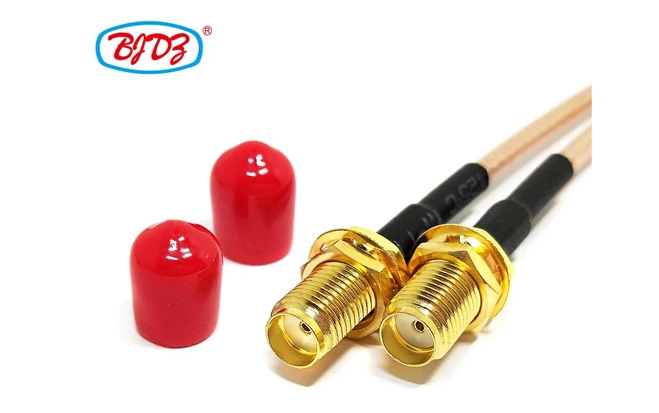
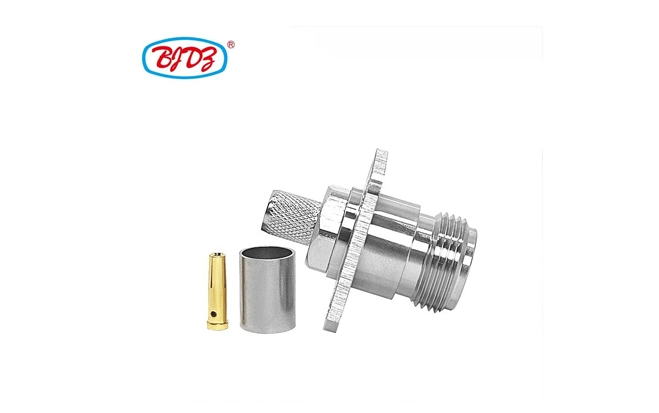
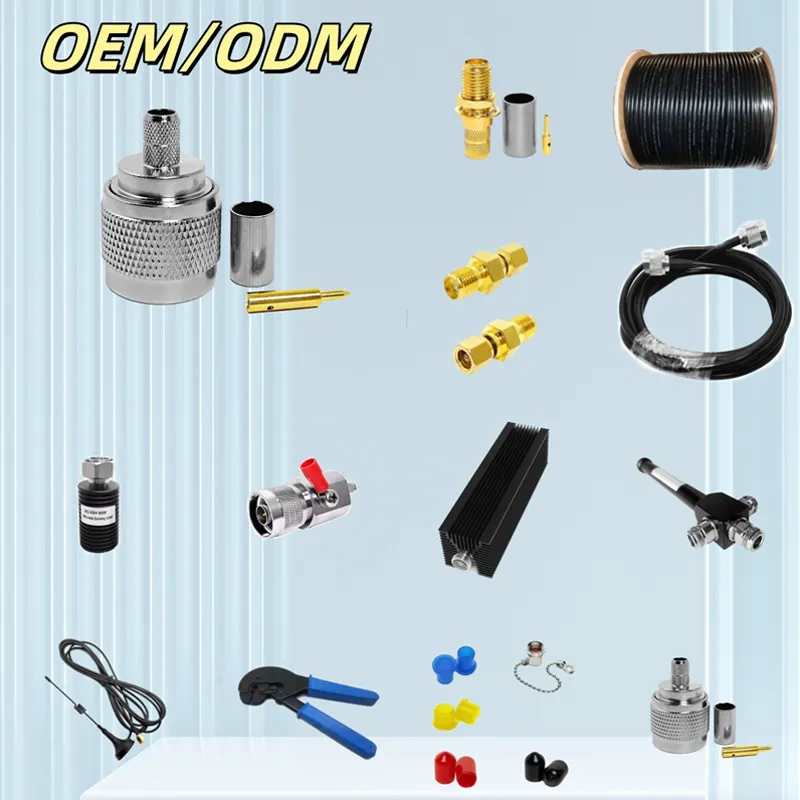
Choose the appropriate connector. RG223 cables typically use BNC and SMA connectors to ensure compatibility with the device. In applications that require higher frequency and greater power, N-type connectors can be chosen.
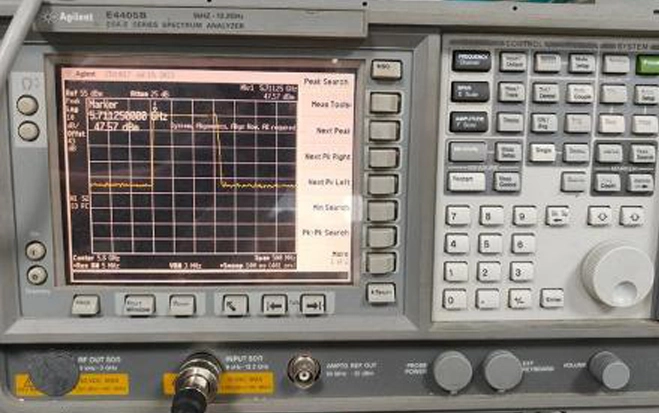
Check electrical performance, impedance, attenuation, insertion loss, VSWR: Select cables with excellent electrical performance to ensure the stability and reliability of signal transmission.
Consider environmental adaptability, temperature range, protection level, and mechanical strength: choose cables that can work stably in practical application environments.
 English