en
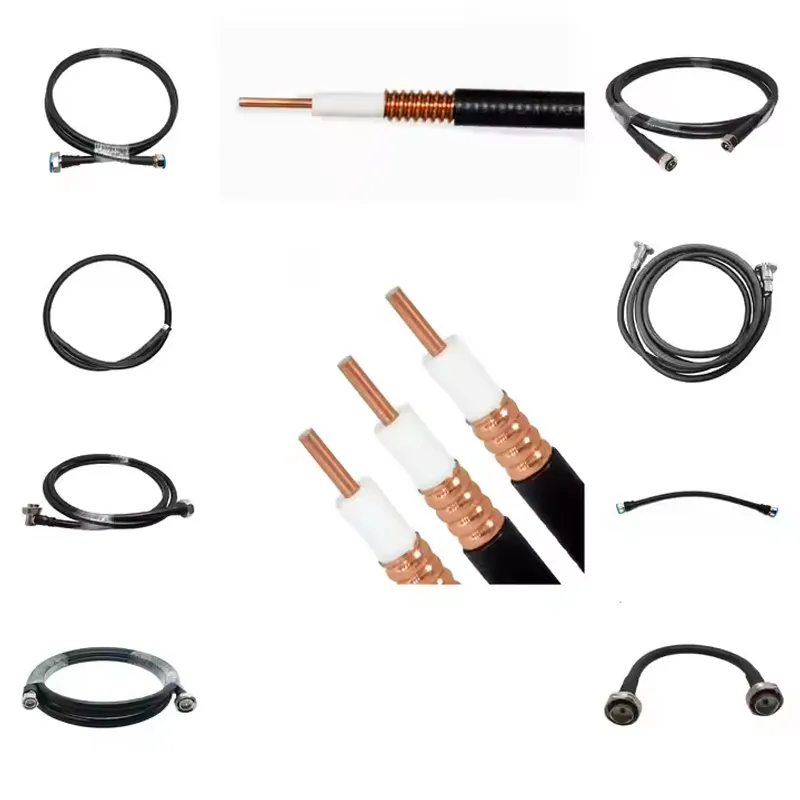
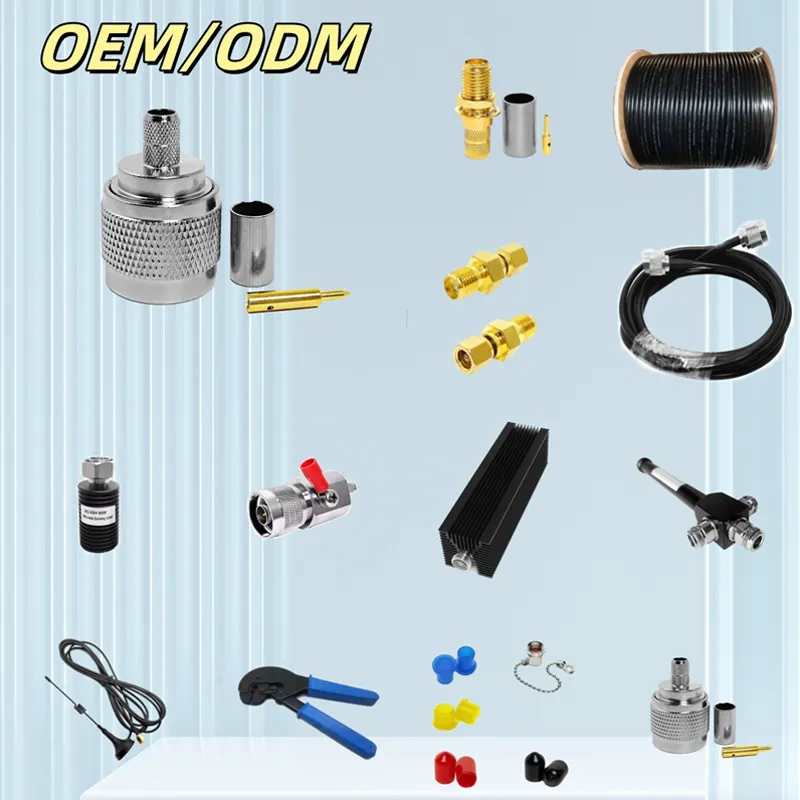
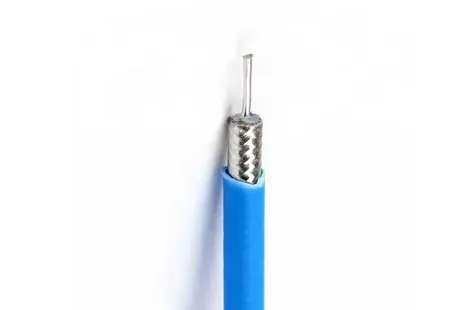
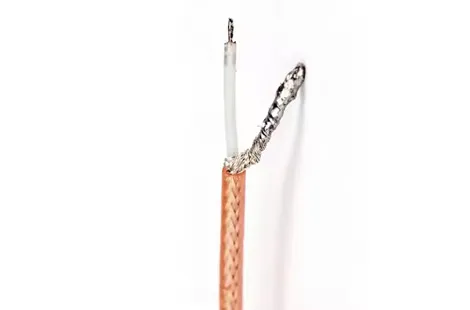
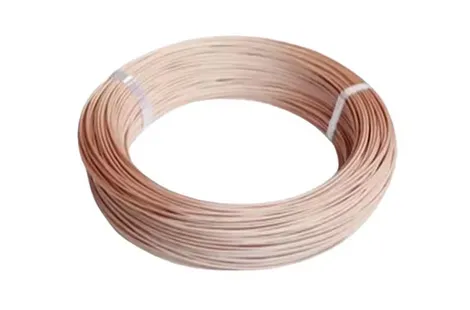
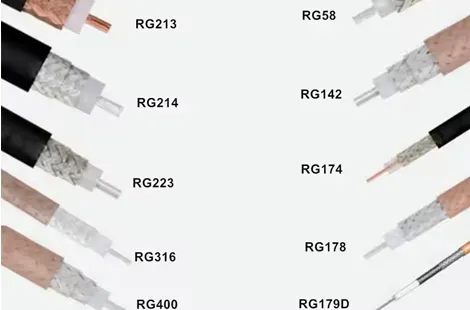
RG58 is a classic, economical, and flexible 50 ohm coaxial cable. Its core advantages lie in low cost, easy installation, and availability in short distance, medium low frequency RF applications (especially when budget or space is limited). However, its high attenuation and limited power/bandwidth capabilities make it unsuitable for high-performance, long-distance, or high-frequency applications. When choosing, priority should be given to the RG-58C/U (dual shielded) version with better performance, and the need to upgrade to lower loss cables (such as RG8X or LMR series) should be evaluated based on specific requirements (transmission distance, frequency, power, budget).
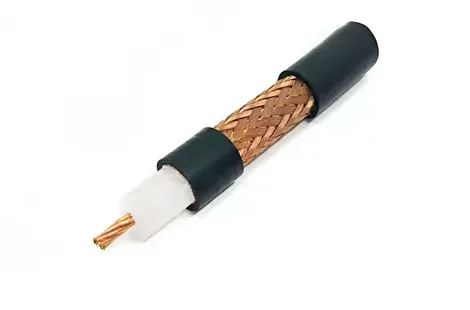
| Structure parameters | ||
| Item | Material | Diamenter (mm) |
| Inner Conductor | Tinned Copper | 0.18 |
| Dielectric | PE | 2.95 |
| Outer Conductor | Tin plated copper wire weaving | 3.5 |
| Jacket | PVC | 4.95 |
| Performance parameters | ||
| Capacitor | 101.05pF/m | |
| Impedance | 50ohm | |
| Transmission rate | 66% | |
| Maximum operating voltage | 1.4KVrms | |
| Maximum operating frequency | 1000MHz | |
| Working temperature range | -40~+80℃ | |
| Bending radius | 25mm | |
| ROHS/CE/FCC | YES | |
| Frequency | 100MHz | 15.1dB/m |
| 400MHz | 30.8dB/m | |
| 1000MHz | 50.2dB/m | |
Advantages of RG58 coaxial cable: Low cost: It is one of the most economical 50 ohm coaxial cables.
Soft and easy to bend: with a small diameter, it is easy to wire and install in narrow spaces.
Standardization: Widely available, accessories (such as BNC connectors) are very popular and relatively easy to install.
The dual shielded version has good anti-interference performance: RG-58C/U provides good EMI/RFI shielding capability.
Disadvantages: High attenuation: Not suitable for long-distance or high-frequency signal transmission (large signal loss).
Limited power capacity: The central conductor is thin and not suitable for transmitting high-power RF signals.
Limited bandwidth: High frequency performance is not as good as thicker or higher specification coaxial cables.
Gradually being replaced: has been eliminated in the field of data networks; In higher demand RF applications, cables with lower losses (such as LMR-195, LMR-240, RG8X, RG213) are often replaced.
 English