en

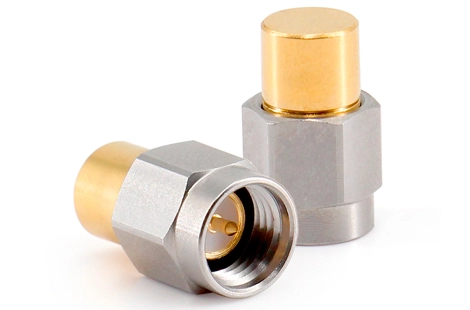
RF load, also known as RF terminal, is a fundamental component in the RF signal chain, suitable for RF applications such as testing, measurement, and aerospace. The RF load is generally located at the end of the signal chain branch and is a passive component that mainly absorbs RF energy. In most applications, the load impedance presented by the RF load is consistent with the inherent impedance of the transmission line used to connect the load to upstream components or equipment.
RF load, also known as RF terminal, is a fundamental component in the RF signal chain, suitable for RF applications such as testing, measurement, and aerospace. The RF load is generally located at the end of the signal chain branch and is a passive component that mainly absorbs RF energy. In most applications, the load impedance presented by the RF load is consistent with the inherent impedance of the transmission line used to connect the load to upstream components or equipment.
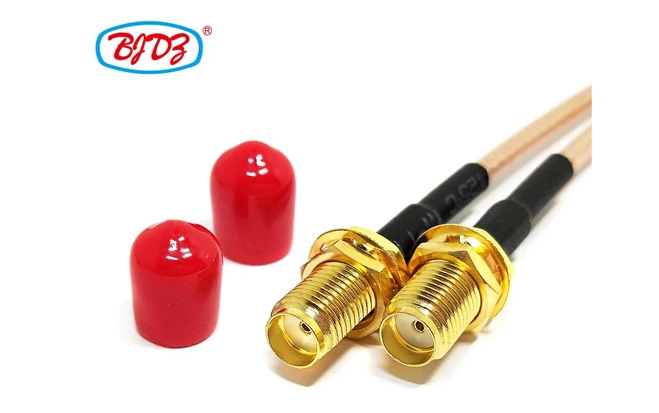
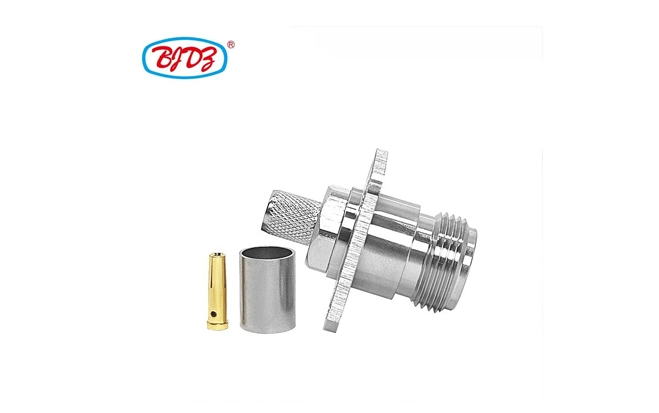
Coaxial RF terminals (also known as RF loads and false loads) can be equipped with various types of connectors, such as 2.4mm, 2.92mm 7/16 DIN, BNC, C, Mini SMB, Mini SMP, N, QMA, SMA, SMB, SMC, SMP, and TNC connectors. The impedance specifications for RF terminals are 50 ohms and 75 ohms. The rated frequency range of RF coaxial terminals is from DC to 50GHz. The connectors of RF terminals are divided into female, plug-in, male, male to female, and plug-in types.
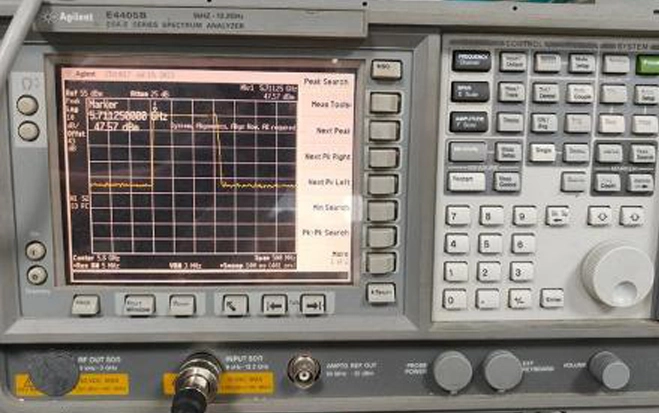
RF coaxial loads are widely used in wireless communication, satellite communication, radar, medical equipment and other fields. They match the impedance of vacant backup channels and test ports for RF testing and absorption of port RF energy, avoiding signal reflection and interference between systems to ensure equipment stability and reliability. The performance of RF coaxial load directly affects the overall performance of the system.
 English