en

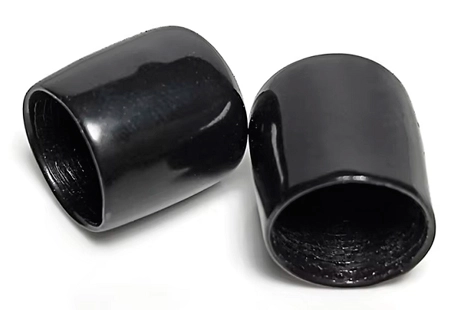
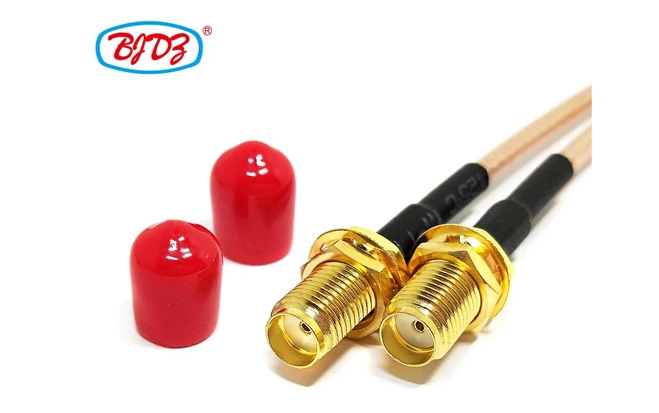
The ports of RF equipment are usually various types of female coaxial connectors, with the most common coaxial connector port types being N-type, SMA, BNC, 2.4mm, 7/16 DIN, HN, SMB, SMC, SSMA, SSMC, and TNC. These RF coaxial connector ports are susceptible to debris intrusion and environmental exposure during transportation, maintenance, or storage. Therefore, it is necessary to ensure that the RF ports of the equipment remain intact and clean. The design purpose of the RF connector dust cap is to ensure that the RF female and less common male coaxial ports are intact and undamaged.
The ports of RF equipment are usually various types of female coaxial connectors, with the most common coaxial connector port types being N-type, SMA, BNC, 2.4mm, 7/16 DIN, HN, SMB, SMC, SSMA, SSMC, and TNC. These RF coaxial connector ports are susceptible to debris intrusion and environmental exposure during transportation, maintenance, or storage. Therefore, it is necessary to ensure that the RF ports of the equipment remain intact and clean. The design purpose of the RF connector dust cap is to ensure that the RF female and less common male coaxial ports are intact and undamaged.
RF connector dust caps are typically composed of a body made of conductive metal, a coupling nut made of conductive metal, an insulating washer, and may include optional chains to secure the dust cap to equipment or equipment racks. Passivation stainless steel and brass are common conductive materials used for the main body and connecting nuts of dust covers. The brass valve body, connecting nut, and chain material can be nickel plated to ensure surface corrosion resistance. Gasket materials are usually silicone or other insulating flexible materials, which can handle compression well and resist environmental degradation.
 English