en
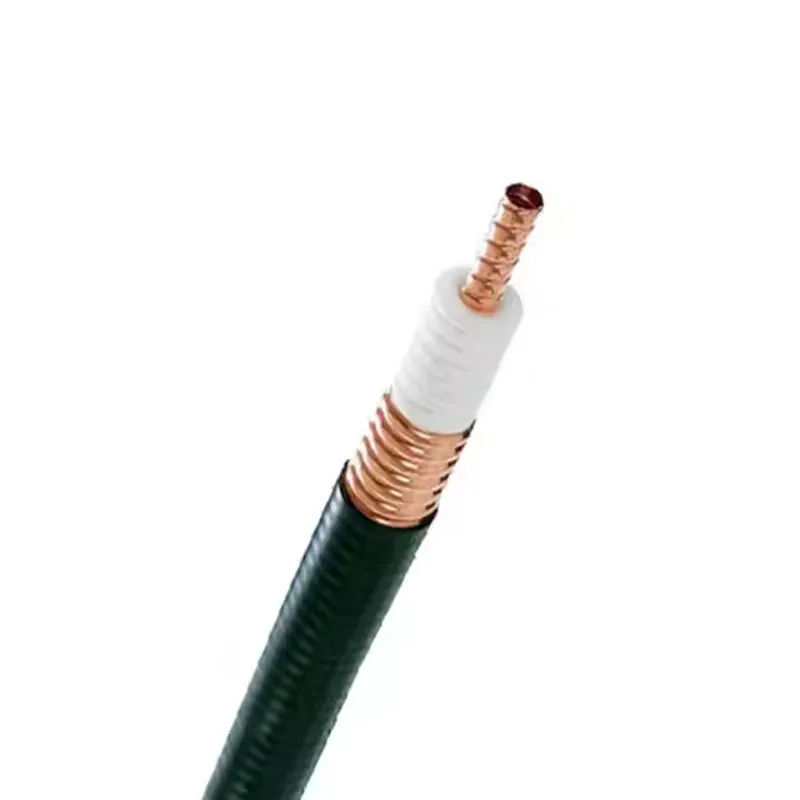
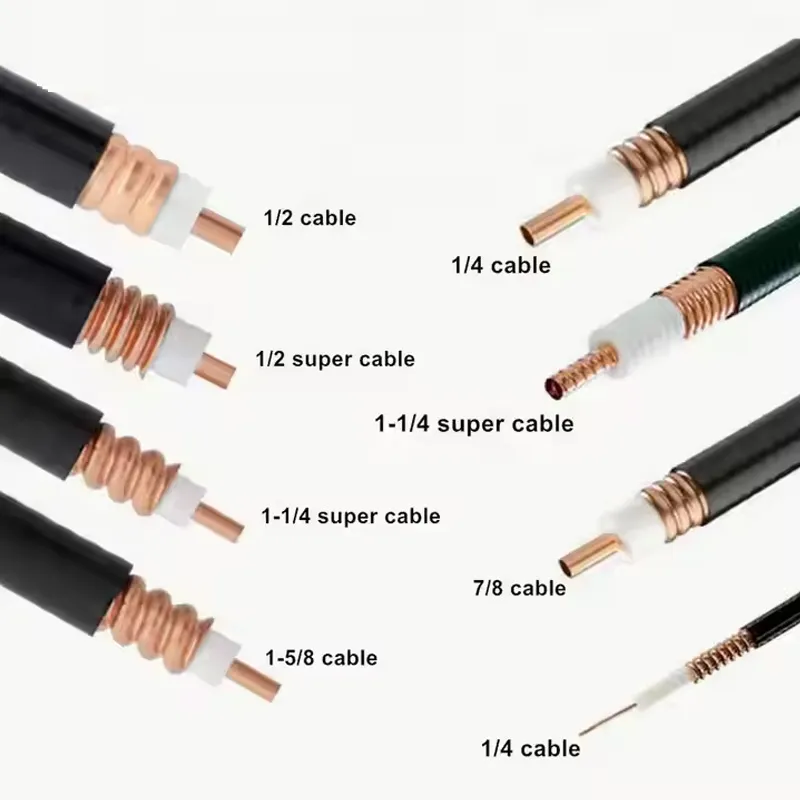
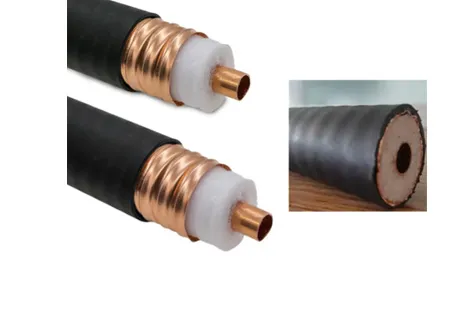
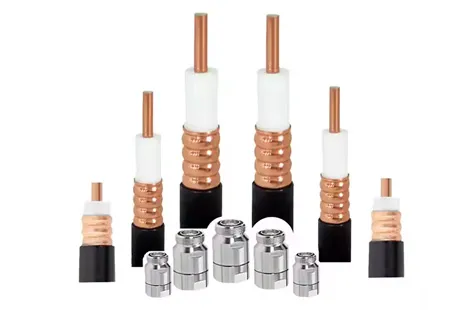
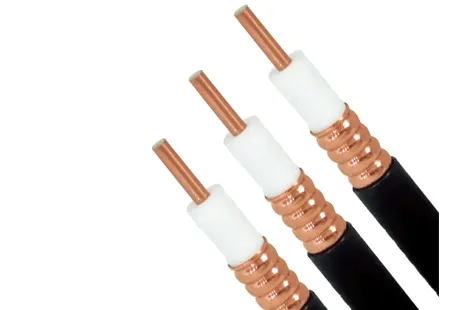
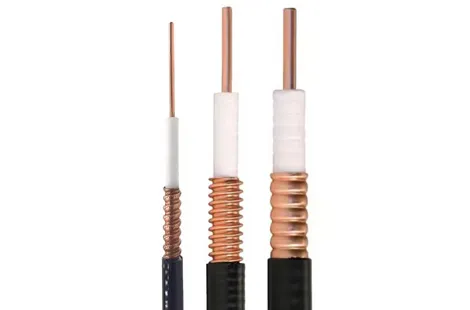
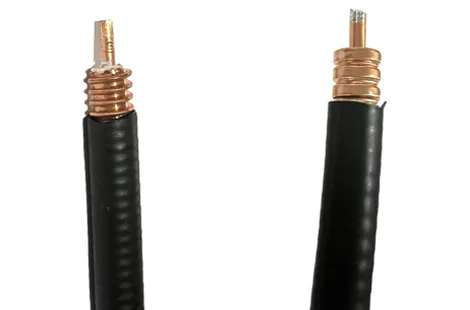
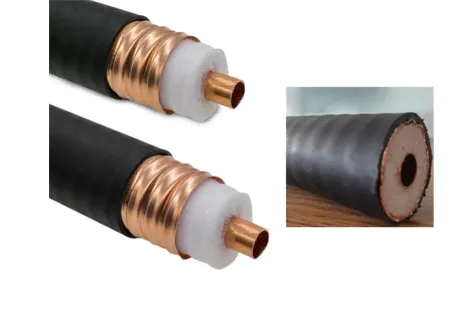
3/8" corrugated coaxial cable, with its 50 ohm impedance, 0-3GHz frequency band, and low loss of 0.1dB per meter, is an ideal choice for base station antennas and indoor distribution systems. The copper tube conductor and foamed polyethylene insulation layer ensure signal stability, while the 10-times diameter bending design balances strength and flexibility. Such cables typically feature moisture resistance, UV protection, and other characteristics. When used outdoors, the sheath material is added with anti-aging agents. Some models also support flame retardant requirements, meeting relevant safety standards.
| Structure parameters | ||
| Item | Material | Diamenter (mm) |
| Diameter Over Dielectric | Foam PE | 8.63 |
| Diameter Over Jacket | PE | 11.17 |
| Inner Conductor OD | Copper-clad aluminum wire | 3.04 |
| Outer Conductor OD | Corrugated copper | 9.65 |
| Nominal Size | 3/8 in | |
| Performance parameters | |||
| Capacitor | 75pF/m | ||
| Impedance | 50ohm | ||
| Transmission rate | 85% | ||
| DC Resistance, Inner Conductor | 3.47 ohms/km | ||
| DC Resistance, Outer Conductor | 2.85 ohms/km | ||
| DC Test Voltage | 2500 V | ||
| Operating Frequency Band | 1-1300 MHz | ||
| Inductance | 0.19 µH/m | ||
| Insulation Resistance | 100000 MOhms-km | ||
| Jacket Spark Test Voltage (rms) | 5000 V | ||
| Peak Power | 15.6 kW | ||
| Working temperature range | -70~+85℃ | ||
| Bending radius | 95.25mm | ||
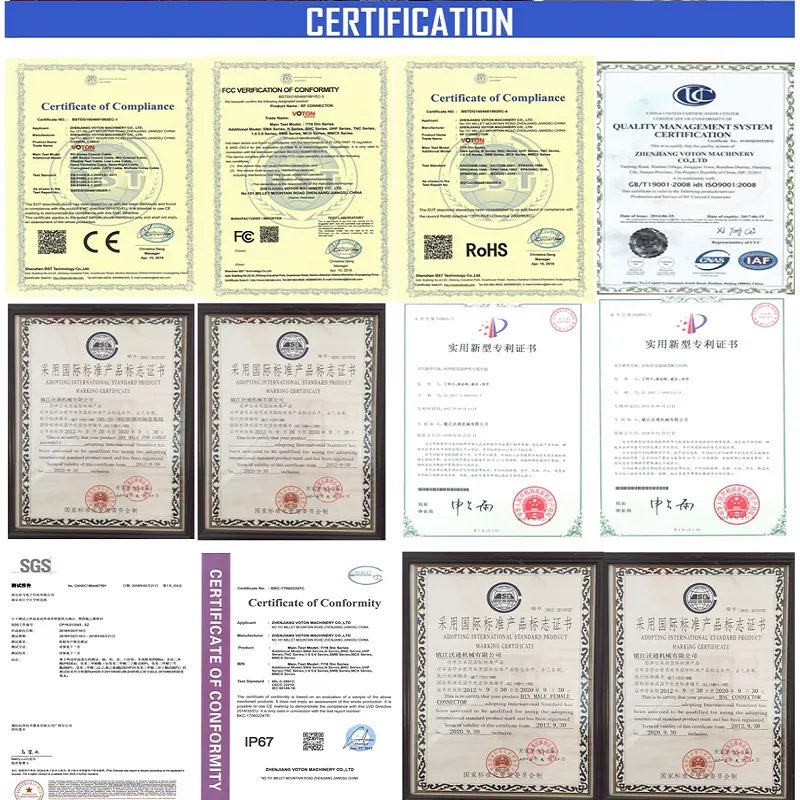
| ROHS/CE/FCC | YES | ||
| Attenuation | Frequency Band | Attenuation | Average Power |
| 1.0 MHz | 0.332 dB/100 m | 15.6 | |
| 1.5 MHz | 0.407 dB/100 m | 15.6 | |
| 2.0 MHz | 0.471 dB/100 m | 15.6 | |
| 10.0 MHz | 1.059 dB/100 m | 7.28 | |
There is a wide variety of 3/8" coaxial cables available. When selecting, users should consider factors such as shielding performance, impedance matching, and environmental adaptability based on their specific needs. These cables are widely used in the following fields:
Communication base stations: used to connect antennas and RF equipment to ensure stable signal transmission;
Radio and television: used as signal transmission lines to reduce signal loss and interference;
Industrial automation: used to transmit control signals or data in factory equipment, where high temperature resistance and anti-interference capability are key;
Security monitoring: used for video signal transmission to ensure clear and stable images.
 English