en
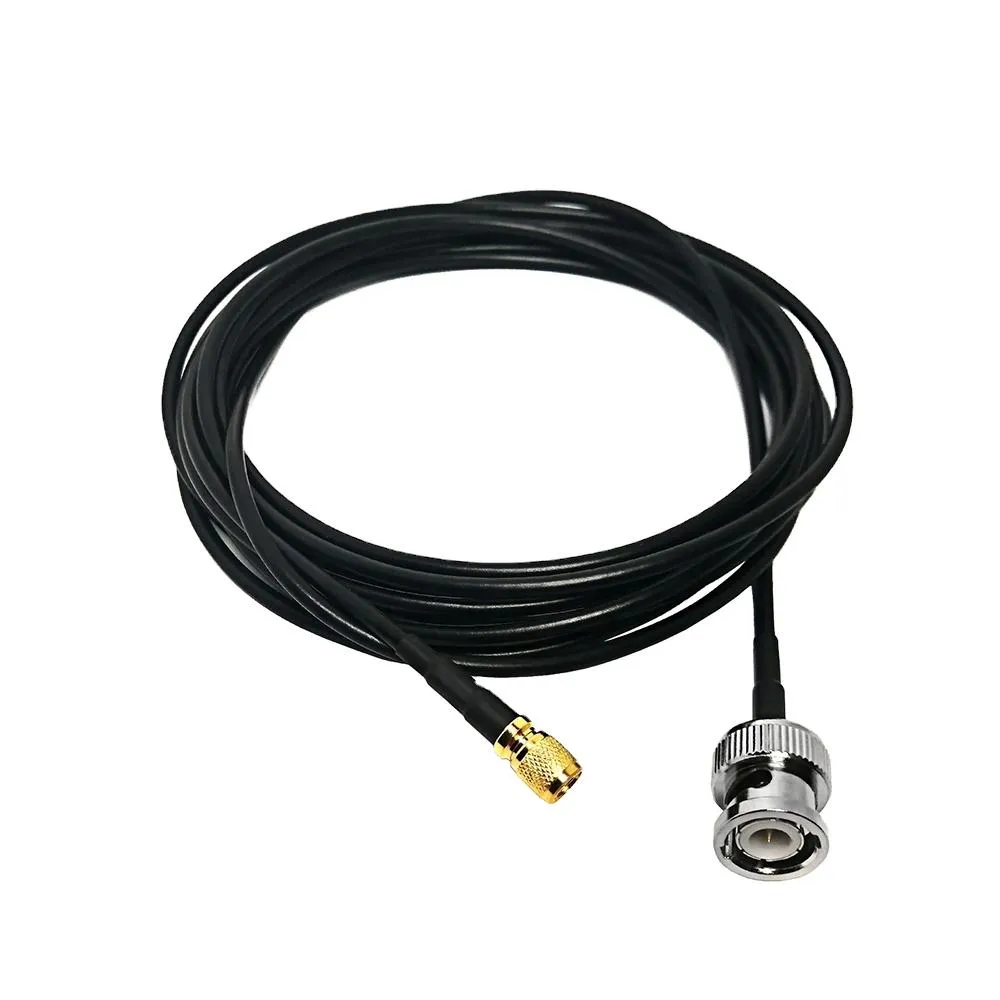
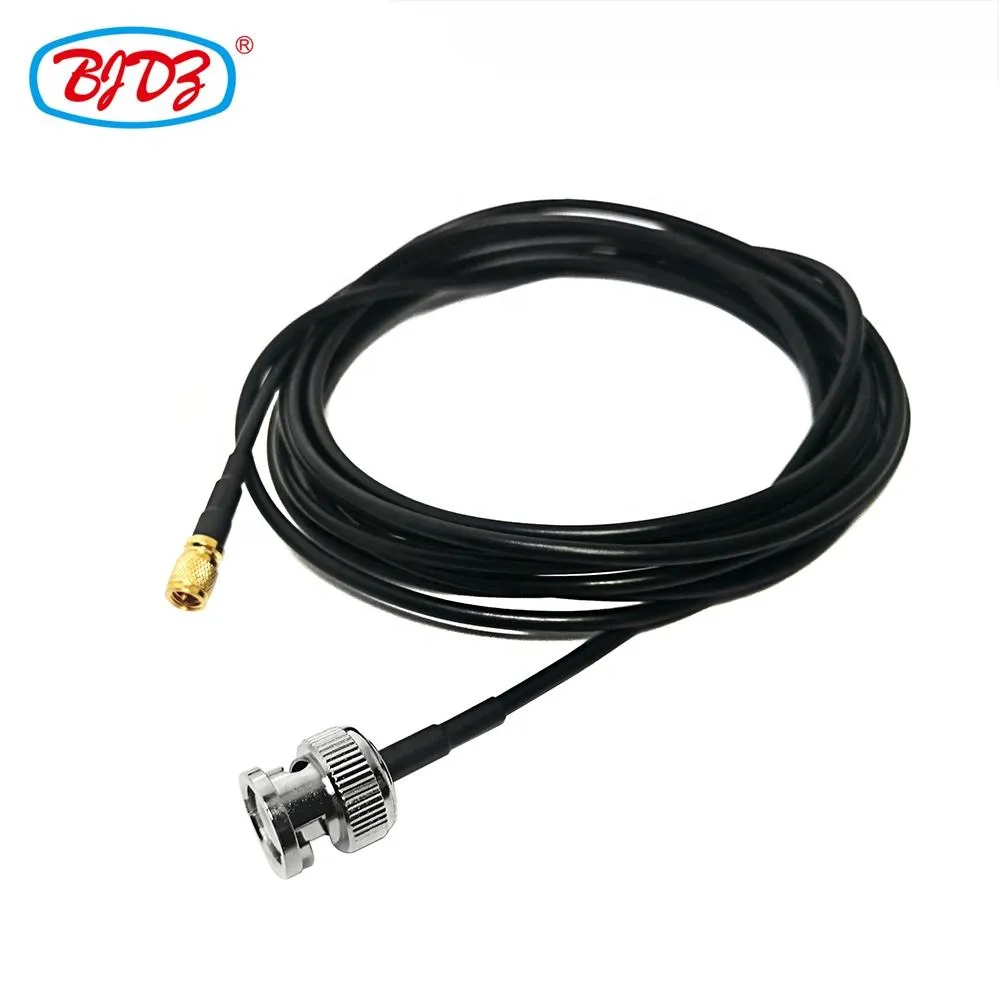
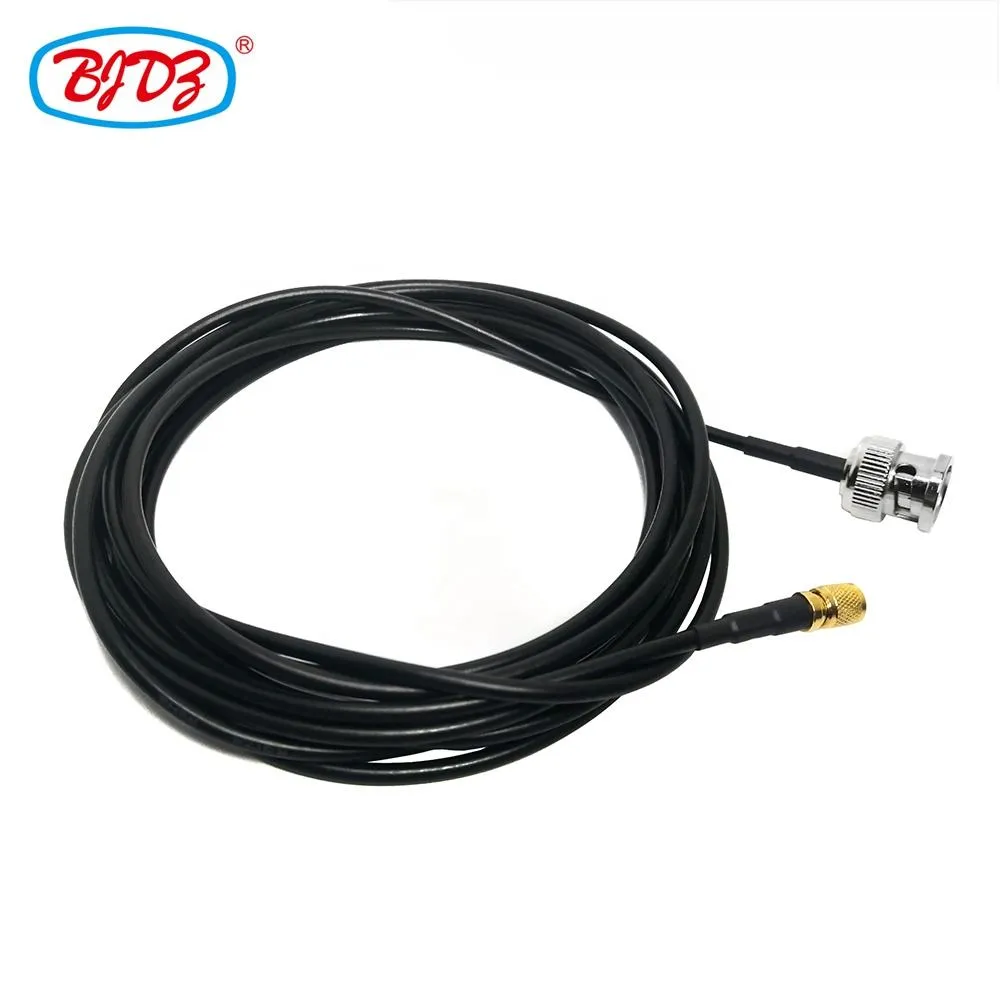
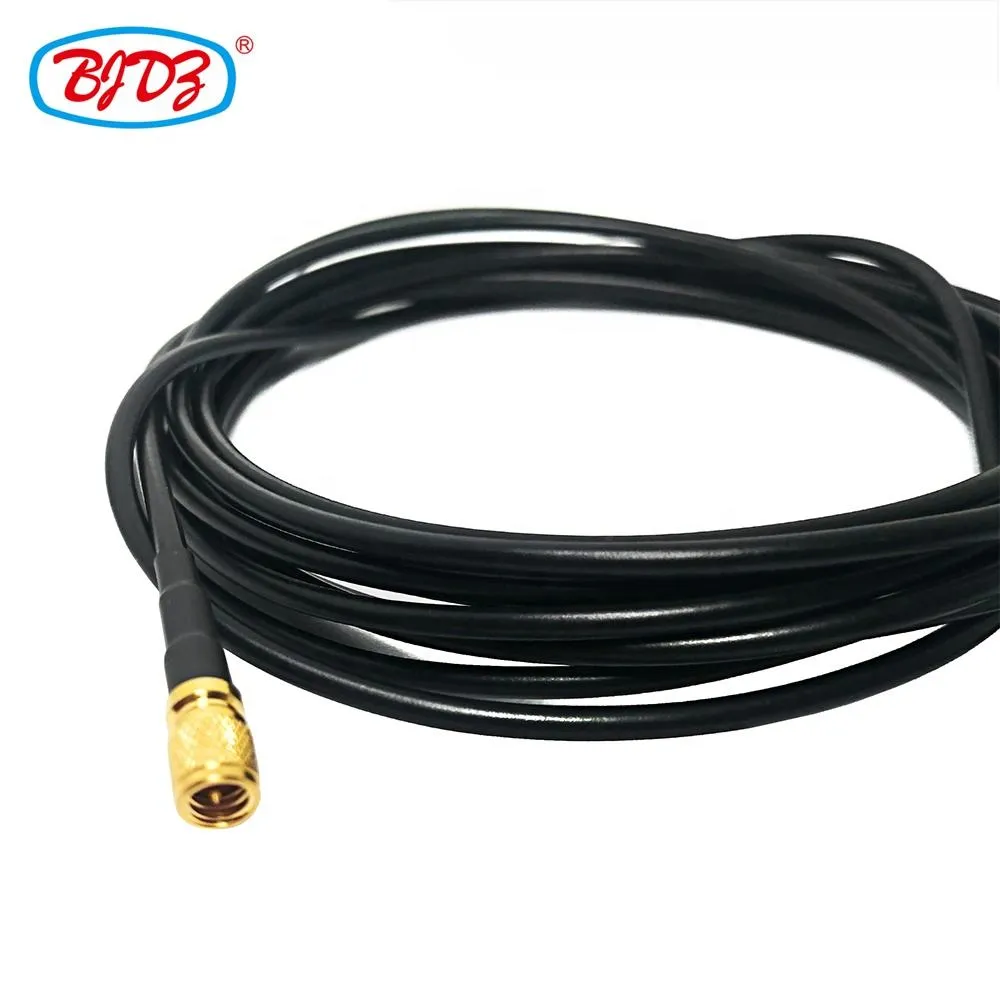
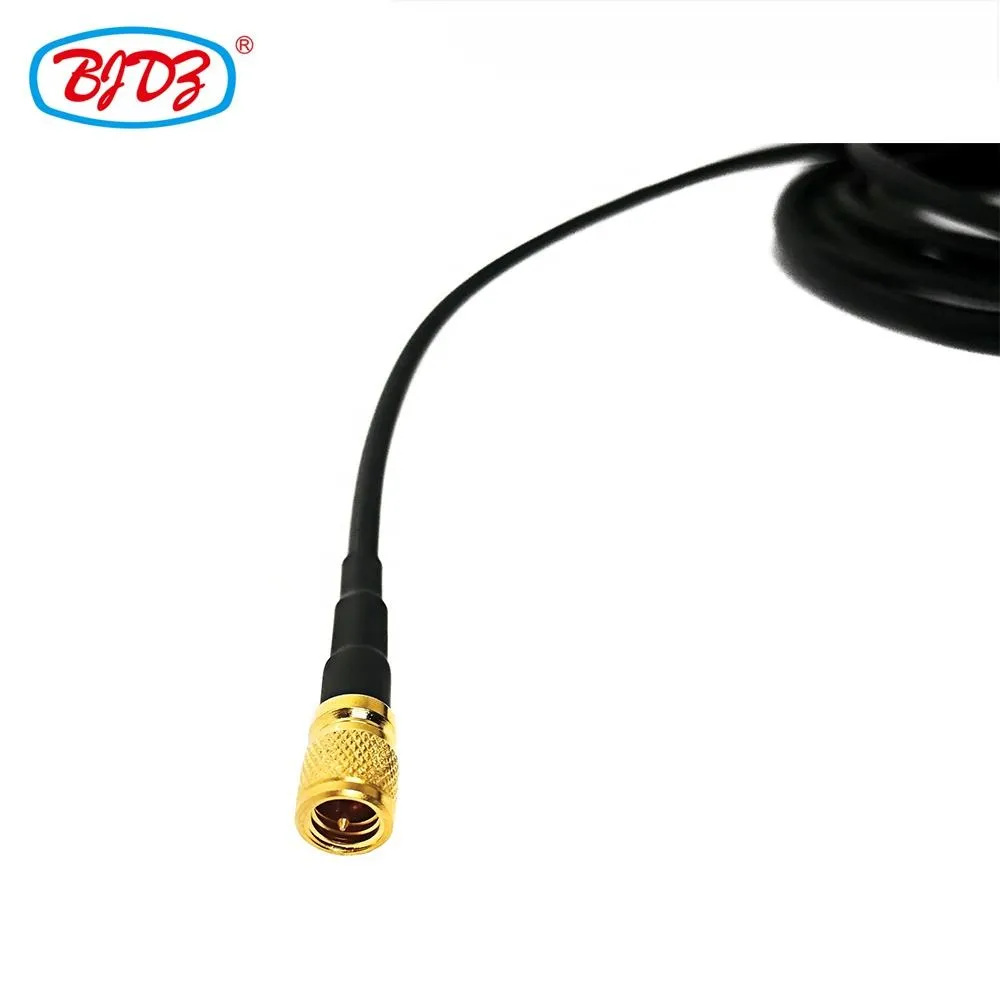
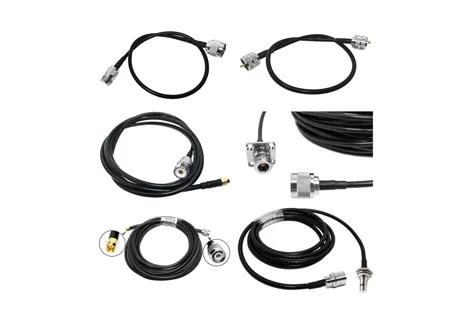
In the realm of high-frequency electronics, the connection is just as critical as the components. This Precision RF Coaxial Cable Assembly is engineered to act as a seamless extension of your test equipment or embedded system. By prioritizing impedance stability and shielding effectiveness, this cable eliminates signal loss and reflection, ensuring that your data remains pure and accurate. It is the ideal choice for engineers working in R&D, aerospace verification, and high-speed data acquisition where every decibel counts.
Parameter | Specification | Engineering Advantage |
Cable Type | RG316 / RG178 / LMR Series | RG316: High-temperature resistance (up to 200°C).RG178: Ultra-miniaturized for tight spaces.LMR: Low loss for longer runs. |
Impedance | 50 Ohm (Standard) / 75 Ohm (Optional) | Ensures perfect impedance matching with standard RF equipment, preventing standing waves. |
VSWR | ≤ 1.20:1 (Typical) | Ultra-low Voltage Standing Wave Ratio guarantees minimal signal reflection. |
Frequency | DC to 6 GHz (Dependent on cable type) | Supports a wide range of RF, microwave, and data transmission protocols. |
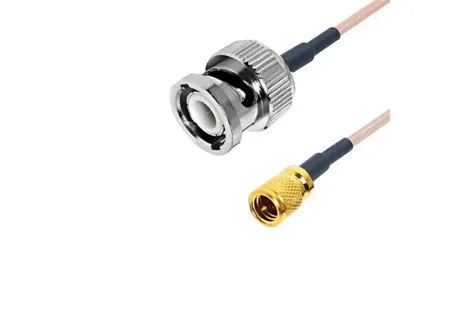
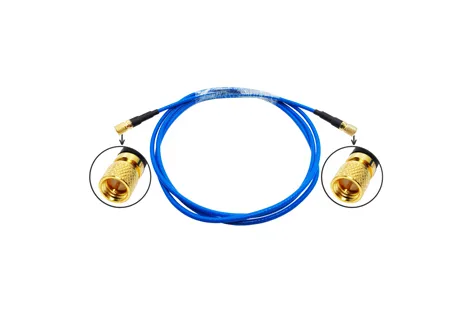
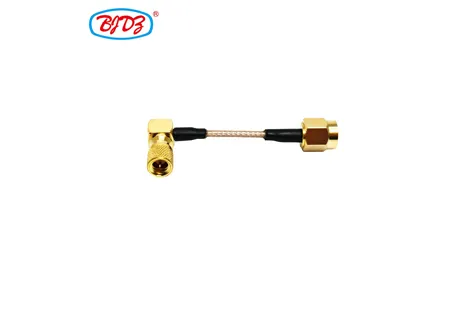
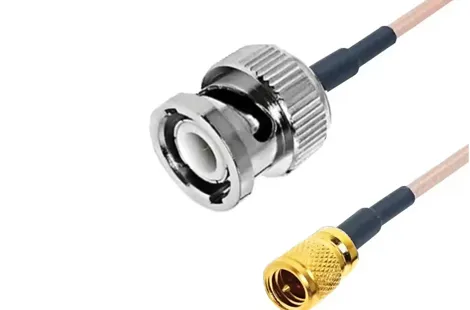
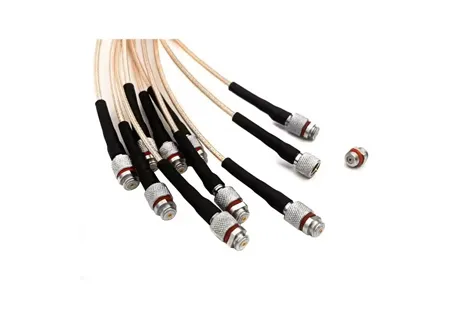
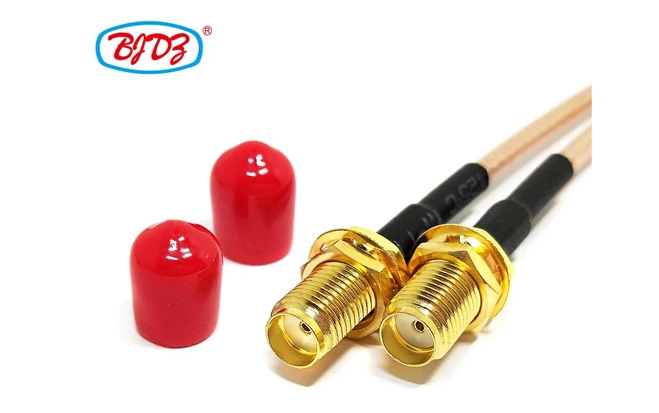
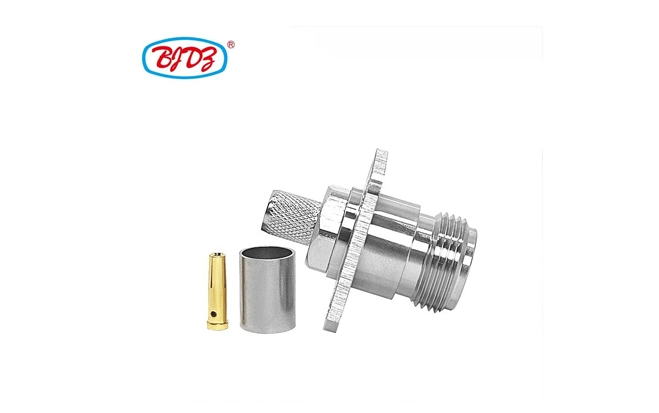
Connectors | SMA / N-Type / BNC / TNC / Microdot | Precision-machined contacts ensure repeatable mating cycles and gas-tight connections. |
Jacket | FEP / PVC / Silicone | FEP: Chemical and high-heat resistance.Silicone: Extreme flexibility in cold environments. |
1. Automated Precision Assembly
We utilize automated crimping and soldering stations to eliminate human error. Every cable undergoes a rigorous process:
Laser Cutting: Ensures precise dielectric exposure.
Controlled Soldering: Temperature-controlled joints prevent cold solder or heat damage to the dielectric.
Double-Crimping: Guarantees strain relief and mechanical stability.
2. 100% Electrical Testing
Unlike standard industry practices, we test every single unit on Vector Network Analyzers (VNA) to verify:
Insertion Loss: Confirming signal strength remains within specification.
Return Loss: Validating impedance continuity.
Continuity & Insulation Resistance: Ensuring there are no shorts or leakage paths.
This cable assembly is not just a wire; it is a component designed to solve specific engineering challenges.
Medical & Laboratory Equipment
In MRI machines, patient monitoring systems, and laboratory spectrometers, electromagnetic interference (EMI) can be fatal or distort results. The double-shielding (foil + braid) of our RG316 cables provides the necessary isolation to operate in these high-noise environments.
Aerospace & Defense
For avionics and UAV communication systems, weight and size are paramount. Our micro-coaxial solutions (such as RG178 with Microdot connectors) offer the highest density without compromising the 50-ohm standard required for radar and telemetry.
Industrial Automation & IoT
In factory floors with heavy motors and variable frequency drives (VFDs), signal corruption is common. The robust FEP jacketing resists oils, solvents, and abrasion, ensuring a long service life in harsh industrial settings.
To maintain the integrity of the product from the warehouse to your facility, we adhere to strict packaging protocols.
Anti-Static Protection: All assemblies are packed in anti-static bags to prevent damage to sensitive electronic components.
Labeling: Each unit is labeled with a unique batch code, cable type, and length for full traceability.
Sustainable Packaging: We utilize recyclable corrugated cartons with minimal plastic content.
Global Readiness: Products are packed to withstand international shipping standards (ISTA 3A).
Q: What is the difference between VSWR and Return Loss?
A: VSWR (Voltage Standing Wave Ratio) measures how efficiently RF power is transmitted from the source to the load. A lower ratio (closer to 1:1) is better. Return Loss is a logarithmic measurement (in dB) of the reflected power. Higher Return Loss values indicate better impedance matching.
Q: Can I use a 50-ohm cable for video transmission?
A: While 75-ohm cables are standard for video (TV/CATV), using a 50-ohm cable will not damage equipment. However, it may result in a slight impedance mismatch, potentially causing signal ghosting or loss of sharpness over long distances.
Q: How do I choose between RG316 and RG178?
A: Choose RG316 if you need durability, high-temperature resistance, and better shielding for general-purpose RF. Choose RG178 if space is extremely limited (e.g., inside a probe) and you require a very thin, flexible cable, though it has higher signal loss per foot.
Q: What is the minimum bend radius?
A: For RG316, the minimum bend radius is typically 5 times the cable diameter. For RG178, it is 3 times the diameter. Exceeding these limits can deform the dielectric and alter the impedance.
When integrating this cable into your system, you are investing in predictability. By using a cable with known, low-loss characteristics and tight VSWR tolerances, you reduce the variables in your testing or production environment. This leads to:
Reduced Rework: Fewer signal integrity issues mean less debugging time.
Higher Yield: Consistent cable performance contributes to consistent product quality.
Long-Term Reliability: Industrial-grade construction ensures the connection lasts as long as the equipment it serves.
 English