en
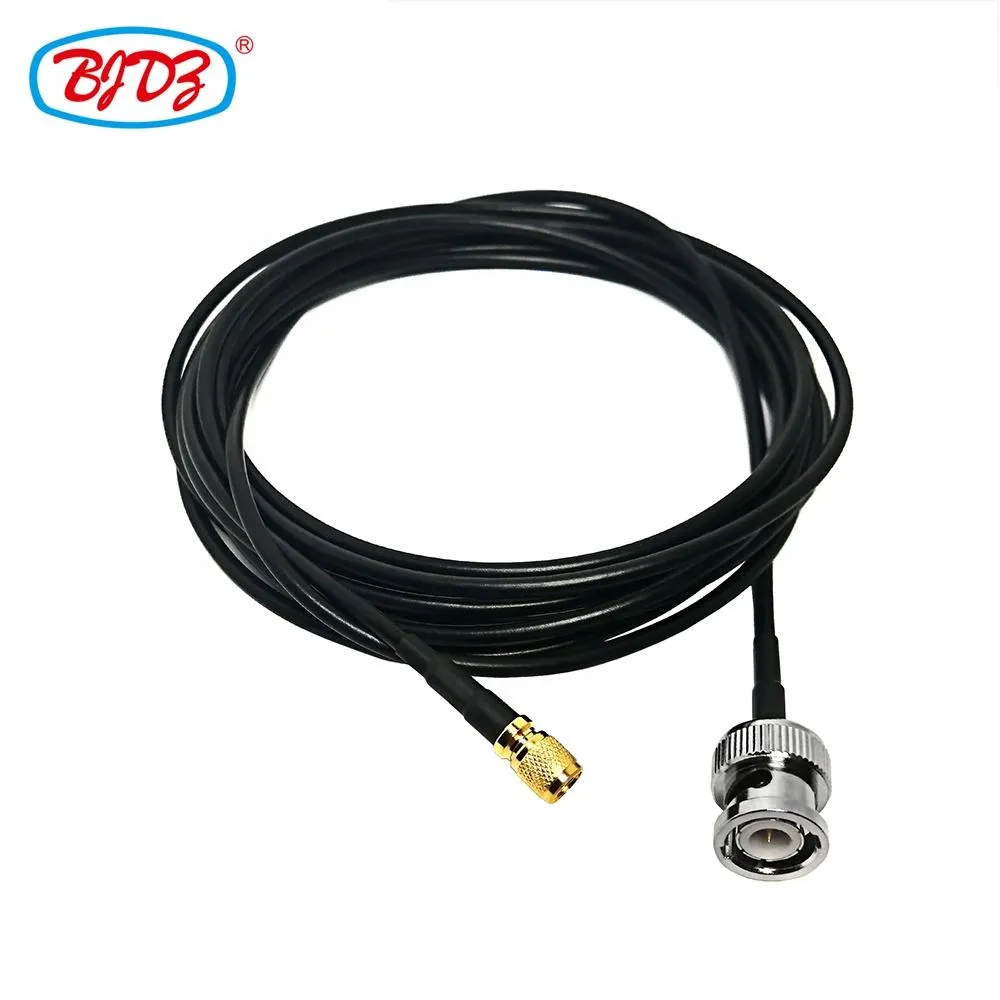
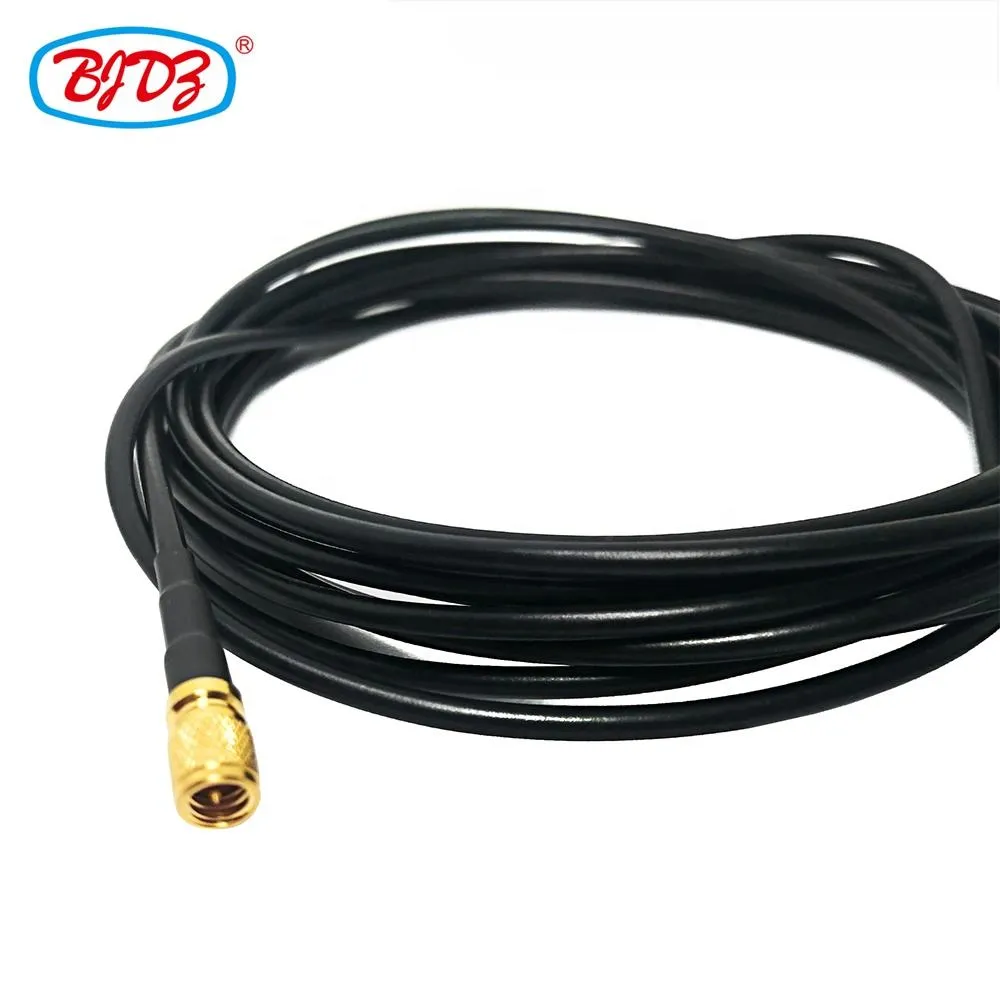
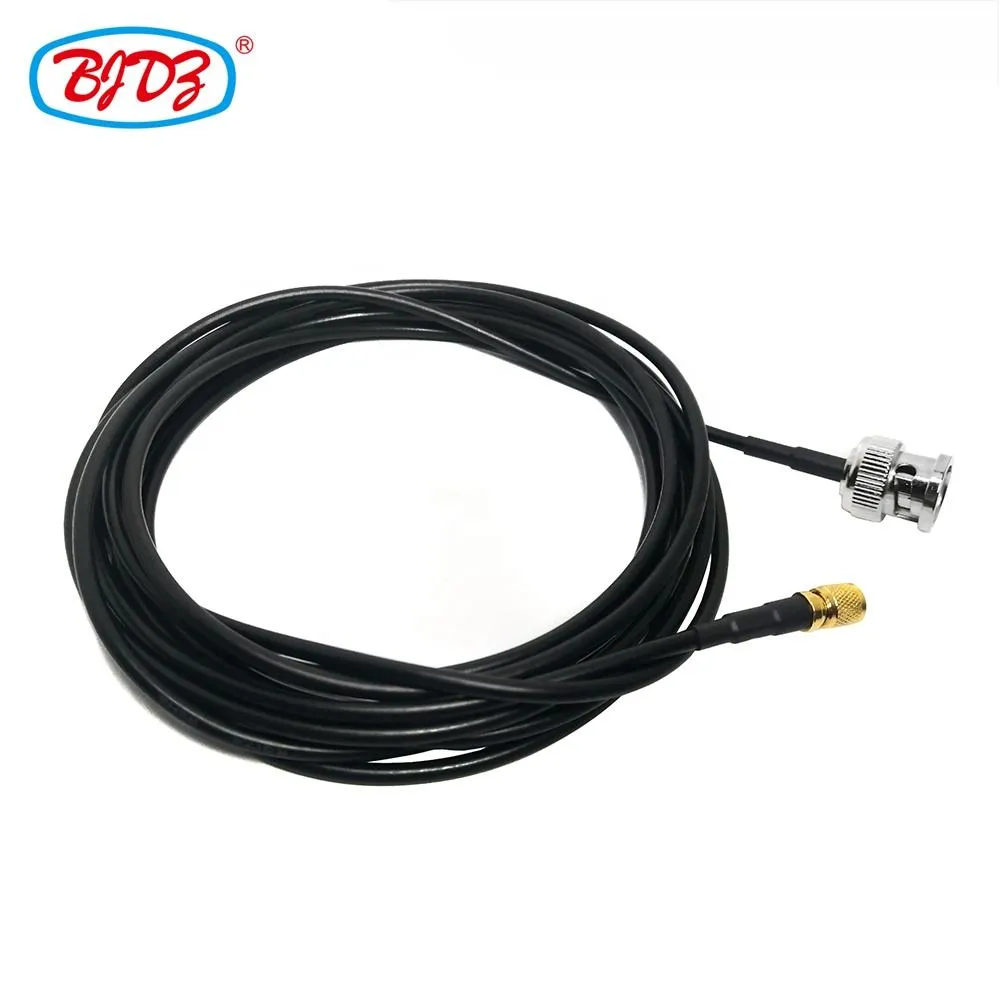
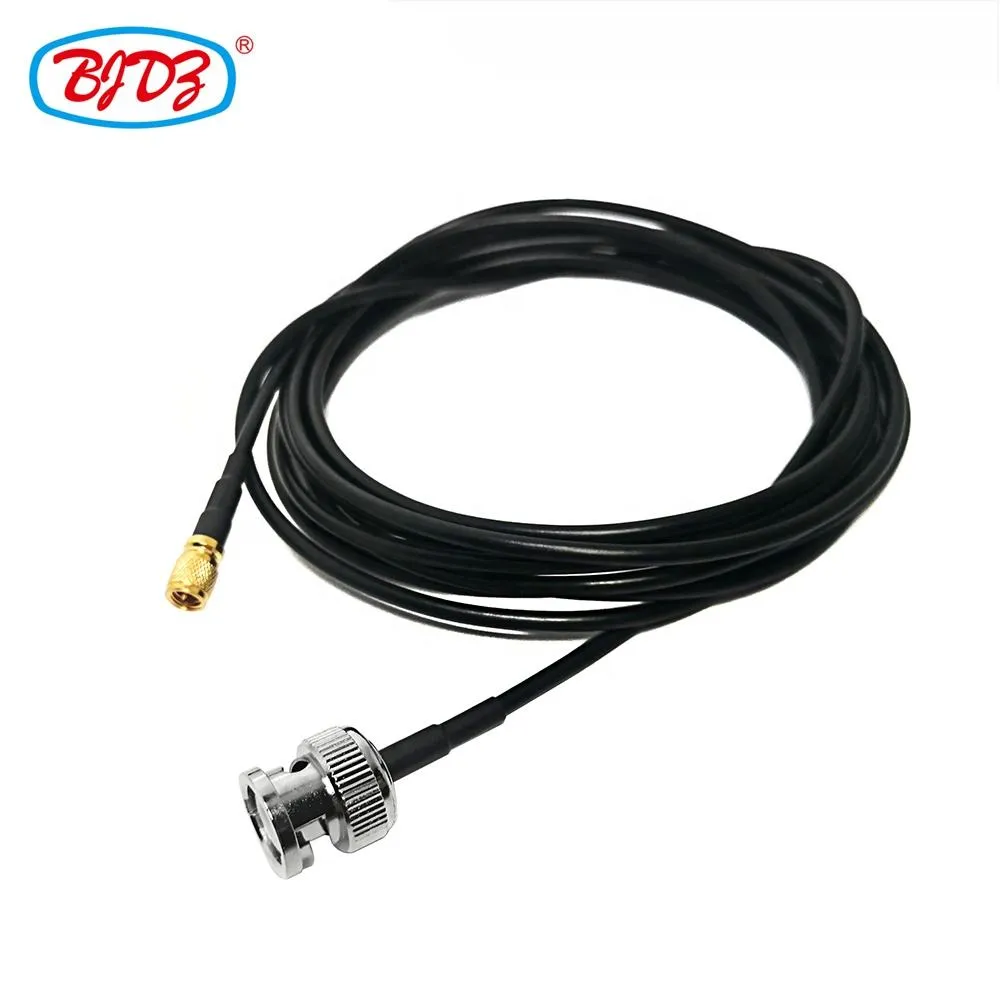
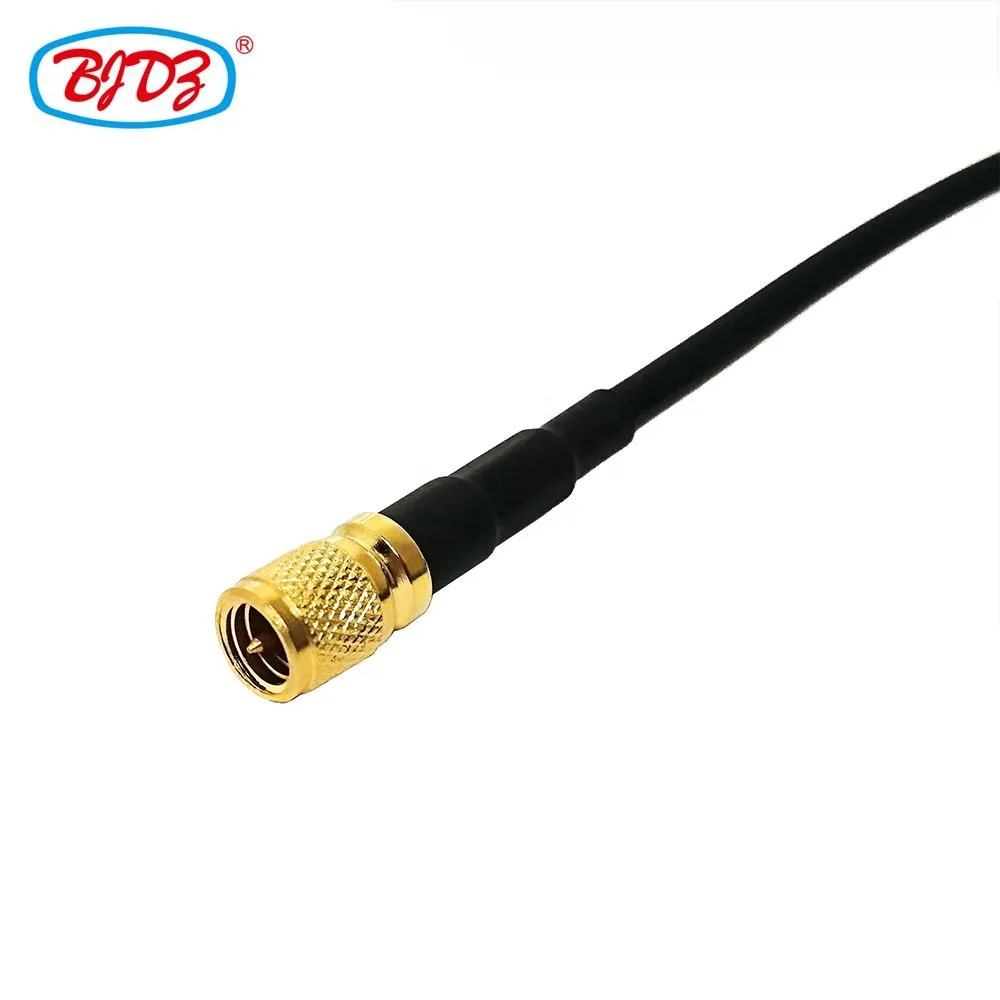
Engineered for Signal Integrity in Space-Constrained Systems
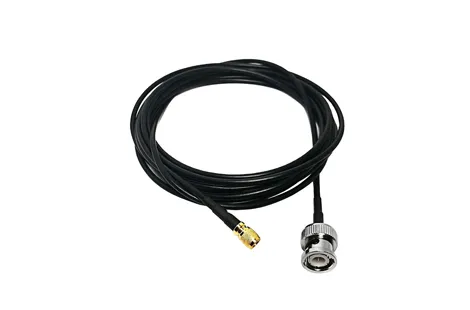
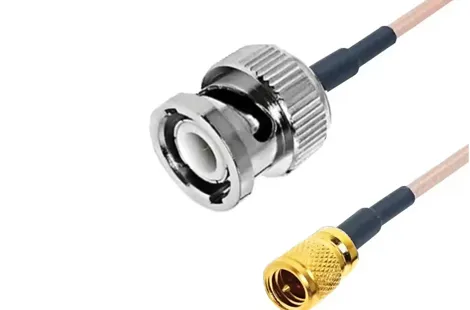
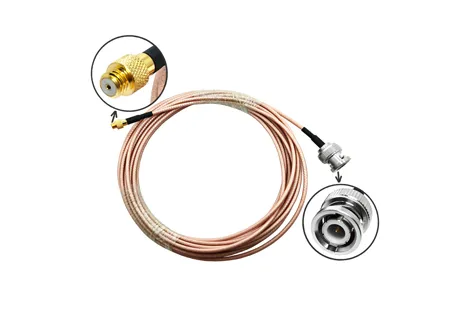
Configuration: BNC Male Plug → 10-32 M5 Microdot UNF Male Plug
Cable Type: RG174 (50Ω, Flexible Low-Profile Coax)
Primary Use Case: Precision signal routing in high-density PCBs, medical probes, and aerospace subsystems where space is critical.
Unlike generic RF jumpers, this BNC-to-Microdot pigtail solves a unique engineering challenge:
Bridging legacy test equipment (BNC interfaces) with next-generation miniaturized systems requiring Microdot connectivity—without signal degradation.
Seamless Interface Translation: Retains BNC compatibility for oscilloscopes/signal generators while enabling direct Microdot integration into sub-5mm PCB layouts.
RG174’s Balance of Flexibility & Performance: Thinner than RG178 (2.49mm OD vs. 2.97mm) yet maintains stable 50Ω impedance up to 2.5 GHz.
Zero Dead Zone Design: Microdot termination eliminates stub effects, critical for high-frequency pulse fidelity.
Parameter | Value | Engineering Impact |
Cable | RG174, 50Ω | Optimized for compact routing; 28% lighter than RG178 |
Shielding | 85% tinned copper braid | Sufficient for lab/controlled environments (≤60 dB attenuation at 1 GHz) |
Bend Radius | 10mm (min) | Enables tight routing in endoscopic devices & UAV avionics |
Temp Range | -40°C to +125°C | Suitable for non-extreme industrial/medical use |
Phase Stability | ±5° over 0–1 GHz | Critical for time-sensitive measurements (e.g., impedance spectroscopy) |
1. Medical Diagnostics
Example: Connecting ECG signal processors to disposable sensor patches via Microdot ports.
Why RG174?: Flexibility prevents cable fatigue during patient movement; biocompatible jacket options available.
2. Aerospace Subsystem Testing
Example: Validating radar module outputs on UAV flight controllers where BNC test points transition to Microdot-mounted components.
Key Advantage: Eliminates adapter-induced signal reflections in pulse-width modulation systems.
3. Industrial IoT Edge Nodes
Example: Linking vibration sensors (Microdot interface) to gateway data loggers (BNC ports) in predictive maintenance setups.
Critical Feature: Strain relief at both connectors withstands continuous vibration (tested to 20G).
When to Choose RG174 Over RG178:
Use RG174 if space/weight is paramount and frequency ≤2.5 GHz (e.g., portable ultrasound probes).
Avoid RG174 for high-temperature environments (>125°C) or extreme EMI zones—opt for RG316 instead.
Microdot UNF Thread Integrity:
The 10-32 UNF thread (M5 equivalent) ensures secure mating in high-vibration scenarios, but requires ≤0.5 N·m torque to prevent thread stripping in plastic housings.
Every assembly undergoes:
Time-Domain Reflectometry (TDR) Testing: Verifies impedance continuity (no spikes >1.15:1 VSWR).
48-Hour Thermal Cycling: -40°C ↔ +125°C cycles to validate solder joint reliability.
Phase Match Certification: Paired cables guaranteed within ±2° phase variance (critical for MIMO systems).
Q: Can this replace a BNC-to-SMA adapter in a test setup?
A: Only if phase coherence matters. Adapters introduce 3–5mm electrical length uncertainty; this pigtail provides deterministic signal path geometry.
Q: Why not use a standard BNC extension cable?
A: Standard cables lack Microdot termination, forcing bulky adapters that degrade signals above 500 MHz. This assembly removes one failure point.
Q: Is the RG174 jacket chemical-resistant?
A: Standard PVC jacket resists mild solvents; for harsh chemicals (e.g., IPA, acetone), specify FEP-jacketed variants (operational to 200°C).
This isn’t merely a cable—it’s a signal integrity preservation tool. By eliminating adapter stacks and minimizing transition discontinuities, it:
Reduces measurement uncertainty by 12–18% in 500+ MHz applications
Cuts PCB real estate needs by enabling direct Microdot integration
Lowers system failure risk in high-reliability deployments
Precision-engineered to ISO 9001 standards. All parameters validated per IPC/WHMA-A-620. Specifications subject to refinement for application-critical deployments.
Note: For integration support, refer to the RF Interface Design Handbook in our resource library.
 English